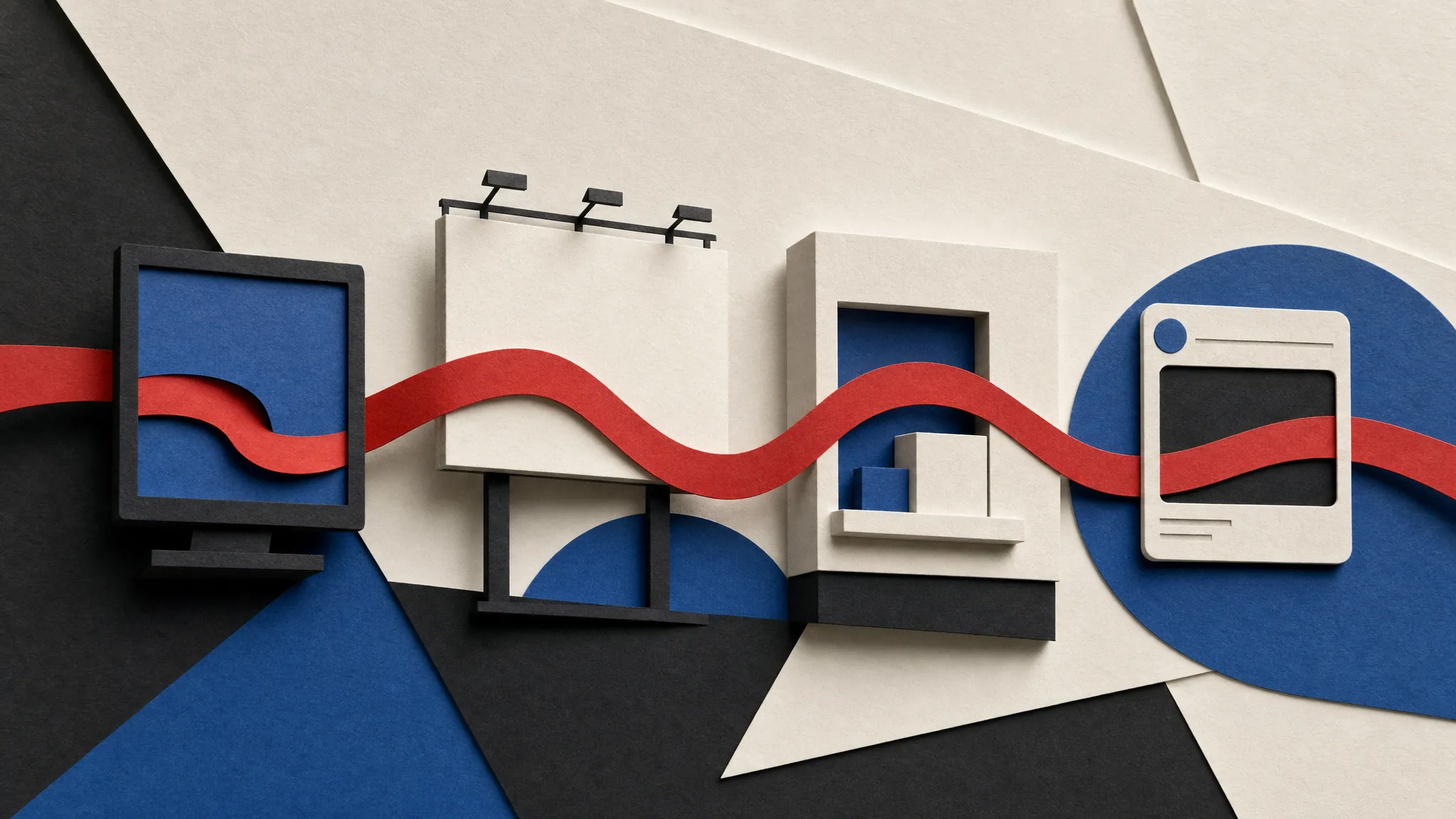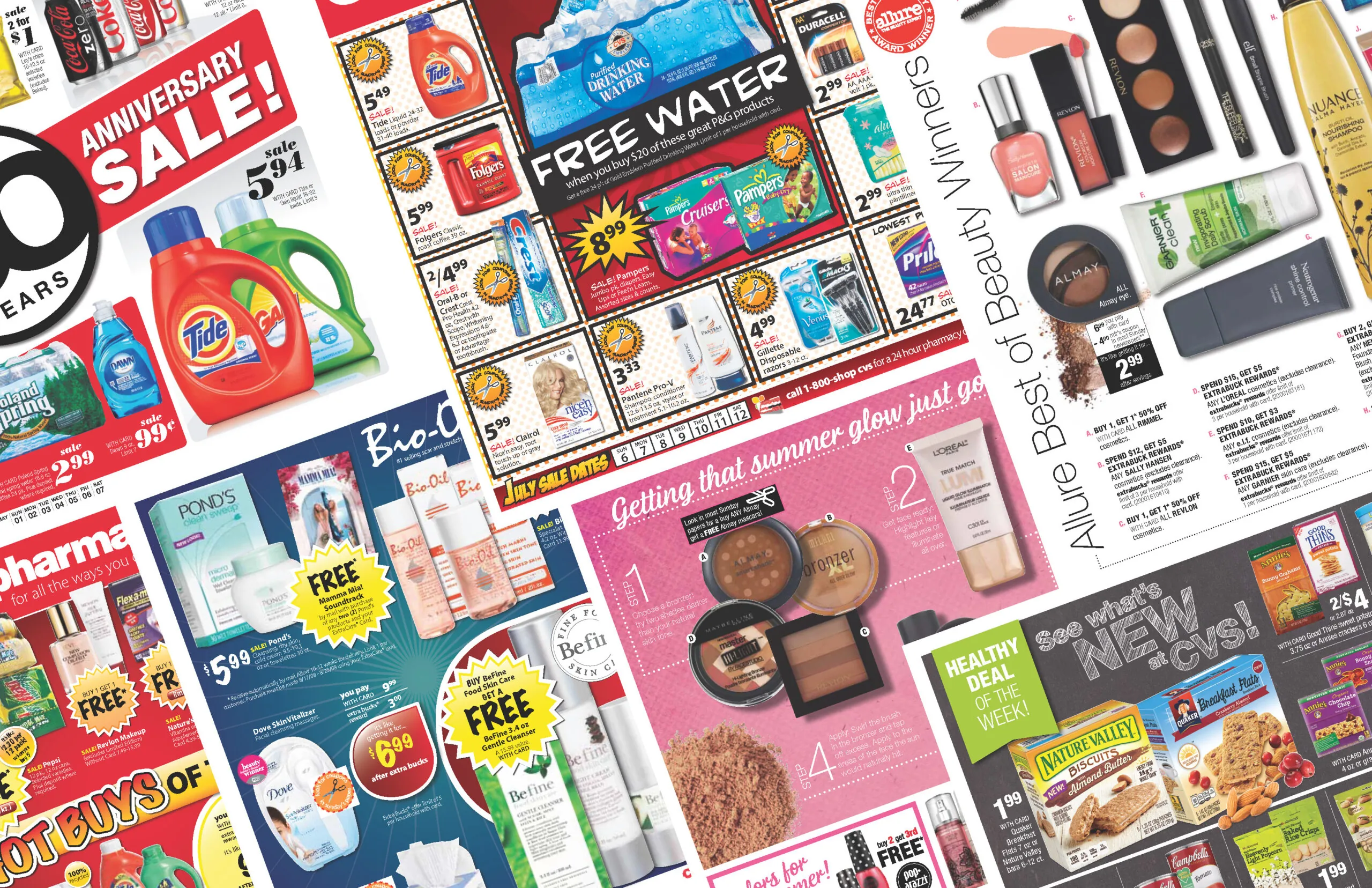
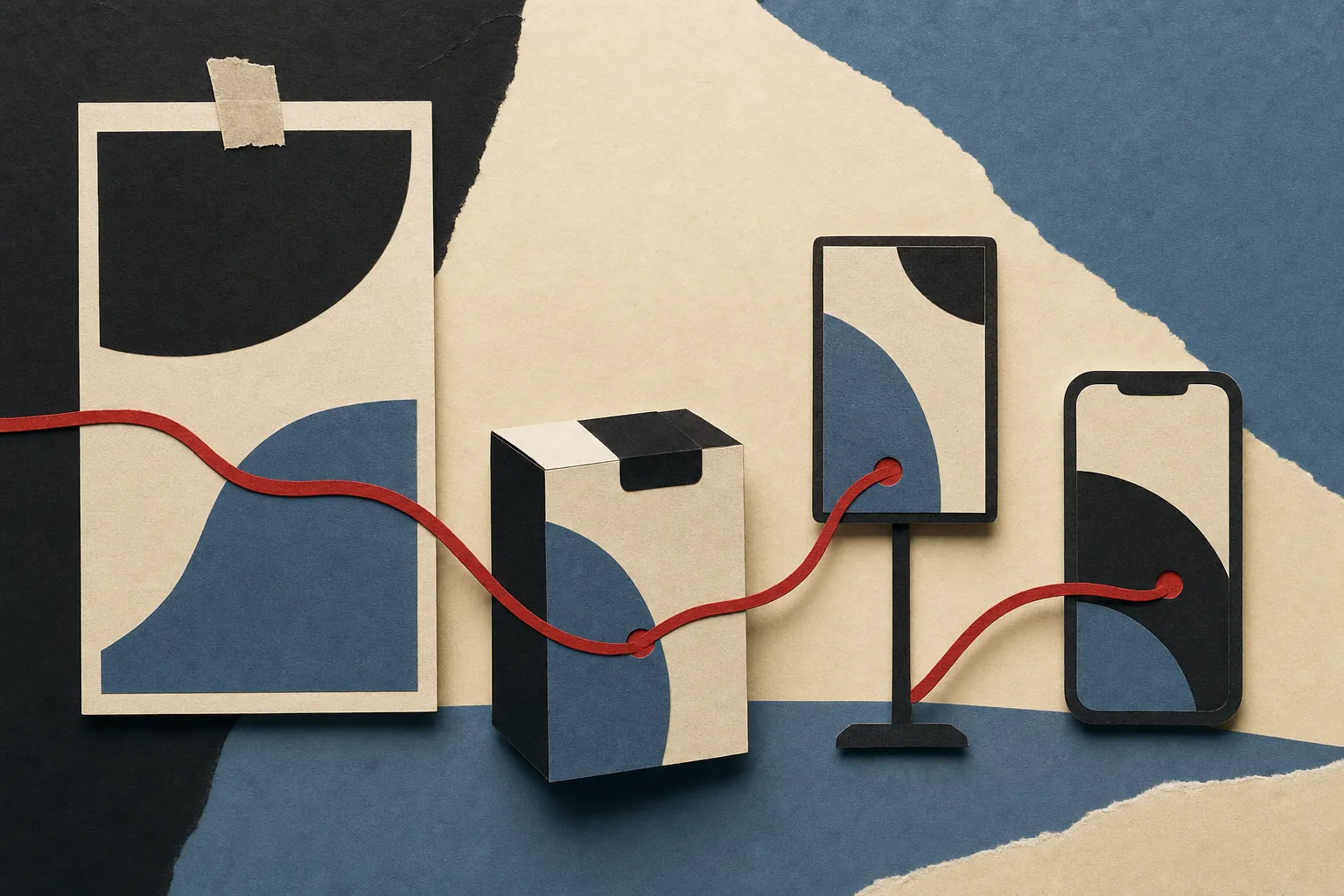
A strong integrated marketing campaign case study does more than make polished work look impressive. It shows how a business problem became one clear idea, how that idea earned a different expression in each customer moment and how the team decided whether the work was doing its job.
That distinction matters. Campaigns are often presented as a collection of ads, posts, emails, store displays and launch materials. The useful lesson is not the asset count. It is the logic that joins those assets together. When that logic is clear, a team can make better decisions about what to create, what to leave out and how to keep a campaign recognizable without making every channel identical.
Start with the business problem
The first question in any campaign case study should be simple: what needed to change? A campaign may need to make an unfamiliar offer easier to understand, restore confidence after a difficult period, turn a routine service into something people value or help a large organization speak with one more human voice.
That is more useful than a vague objective such as “increase awareness.” The American Marketing Association’s marketing definitions describe a campaign as a coordinated set of activities around a common theme. The theme only works when it has a real job to do for the business and the audience.
In a good case study, the problem also explains the stakes. Was the audience confused? Were existing messages too functional? Did the business need to create a new habit, earn attention at a critical time or unite disconnected teams around a shared story? Context gives the creative work a reason to exist.
Look for the one idea that can travel
Integrated campaigns are held together by a central thought, not a matching color palette. The idea should be clear enough to explain in a few sentences and flexible enough to show up in different formats. It gives every execution a common point of view, even when the execution changes its pace, level of detail or call to action.
A useful test is to remove the logo and ask whether the work still feels connected. If every channel has a different story, customers have to do the work of assembling the brand themselves. If every channel repeats the exact same message, the campaign can become flat. The best work keeps the promise consistent while allowing each moment to add something new.
This is the difference between simply placing the same asset in multiple channels and building a campaign branding system. A system establishes what must remain recognizable, then gives people enough room to adapt the idea to the situation in front of them.
Give each channel a specific role
Channels should not be treated as empty containers waiting for resized creative. They shape what a person needs from the message. A short film can create feeling and frame the big idea. A web page can offer context. A retail touchpoint can make the promise tangible. A social post can introduce one useful detail at the right moment. A sales tool can help someone answer the practical questions that follow interest.
That is what makes a campaign feel integrated. The pieces connect, but they are not duplicates. Each one helps a customer move from first impression to understanding, confidence or action. A case study should identify these roles instead of showing a long sequence of deliverables with no explanation.
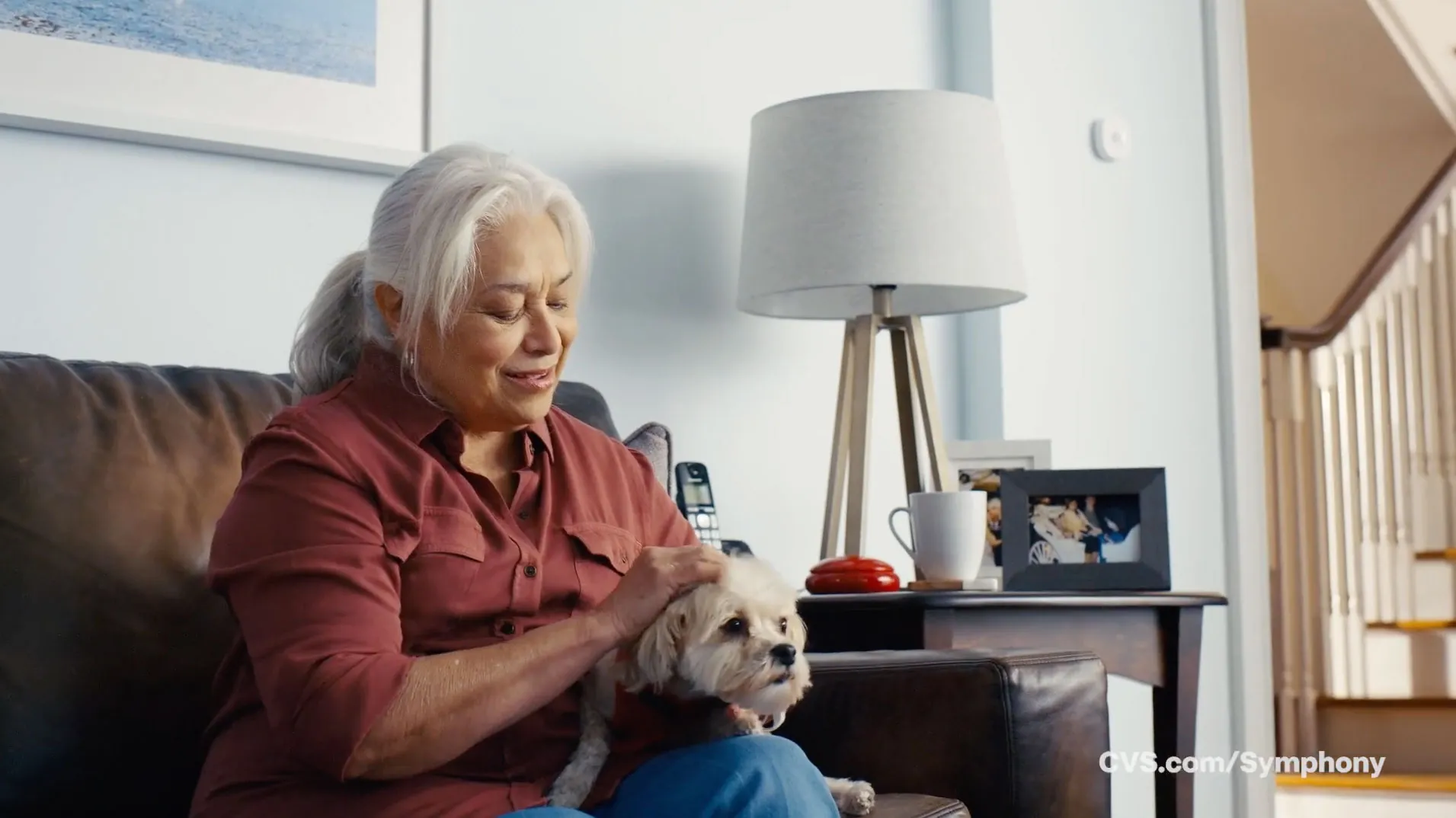
Chad’s #OneStepCloser work for CVS Health is a clear example of the principle. The campaign framed vaccination as progress toward everyday moments people wanted back, then carried that human idea across broadcast, digital, in-store and social work. The point was not to make every touchpoint look the same. It was to make each one contribute to a shared sense of forward movement.

A real integrated campaign example: #OneStepCloser
#OneStepCloser gave CVS Health a way to talk about vaccination as more than a clinical task. Its central idea connected the action of getting vaccinated with the people, places and everyday moments customers wanted to return to. That made room for a human story without losing the practical reason to act.
Chad led the work across broadcast, digital, in-store and social expressions. Each one had a different role: the larger campaign could create emotional momentum, while customer-facing moments could make the choice feel clearer and more immediate. The shared idea kept those expressions connected without reducing them to copies of one another.
The #OneStepCloser case study shows the campaign work in more detail, including the creative archive and results. It is a useful example of what a strong integrated campaign case study can reveal: a clear business problem, a central idea, distinct roles for each touchpoint and evidence that the work mattered.
Find the audience tension before the execution
Campaign case studies are most useful when they explain the human tension behind the work. Demographics can tell a team who it hopes to reach, but they rarely explain why a message will matter. The better question is what stands between the audience and the desired action. It may be uncertainty, fatigue, skepticism, a lack of time or the feeling that a category has become difficult to navigate.
That tension gives the creative idea something real to answer. In healthcare, people may need to feel that a complicated decision is manageable. In retail, they may need a reason to see an everyday service as personally useful. In a crowded category, they may need language that separates one offer from a familiar alternative. When the audience tension is clear, the campaign can be emotionally relevant without losing its practical purpose.
As you read a case study, look for evidence that the work was built from an insight rather than an internal wish list. A strong insight makes the audience response easier to understand. It also gives teams a useful filter: if a proposed asset does not help answer the central tension, it probably does not belong in the campaign.
Notice how the work respects the customer journey
Customers do not encounter a campaign in the neat order shown on an agency slide. One person may see a video first. Another might come through a search result, a store visit or a recommendation from a colleague. A good integrated campaign assumes that reality and makes each entry point useful on its own.
Start by asking what a person knows at each moment. Someone seeing the first expression may only need a reason to care. Someone arriving on a landing page may need a clearer explanation and proof. Someone close to acting may need a simple next step. The campaign is stronger when it respects those changing needs instead of asking every piece to carry the full story.
For planning, map the few moments that matter most: discovery, consideration, decision and the experience after action. Then decide what the customer needs to feel, understand or do at each one. The framework can stay simple. What matters is that every touchpoint earns its place.
Separate the campaign platform from the asset list
Case studies become much more useful when they distinguish the platform from the outputs. The platform is the durable strategic and creative idea. The asset list is the set of things made to express it. If the team begins with a list of deliverables, it can produce a lot of activity without a clear signal.
Start with the audience tension, the business shift and the promise the brand can credibly make. Then decide what needs to be fixed: the core message, the visual cues, the emotional tone or the behavior customers should recognize. After that, decide where the work should flex. A launch film may be expansive. An email may be concise. A retail display may need to make the idea practical in a few seconds.
This approach also makes a campaign easier to sustain. As explained in How Long Should a Marketing Campaign Last?, strong ideas can keep working long after their first expression if teams know what to refresh and what to protect.
Make the decision process visible
The best campaign case studies make it clear that the finished work was not inevitable. They show the tradeoffs behind the choices. Why did the team lead with a broad emotional message instead of a product detail? Why was a particular channel asked to explain, while another was asked to create interest? Why did the creative system use certain cues repeatedly and let others change?
These decisions matter because integrated work becomes fragile when no one can explain what is fixed and what is flexible. A team may have a compelling launch film but no way to translate its idea into sales materials, social content, a retail environment or a later chapter of the campaign. A useful case study makes the operating logic visible, so the work can be understood as a system rather than a one-time display.
For internal teams, documenting those decisions also creates momentum. New partners can understand the campaign faster, reviews become less subjective and smaller requests can be evaluated against the central idea. The campaign becomes easier to manage without becoming rigid.
Ask how the campaign was measured
Measurement is not the final slide in a case study. It should connect directly to the campaign’s original job. A campaign designed to introduce a new service may need signs of understanding and qualified interest. A campaign built to change perception may need to test whether the desired association is becoming more familiar. A campaign tied to a clear action may need to show whether the right audience took it.
That does not make every campaign easy to measure. It makes the evidence more honest. Reach, impressions and completed views can show whether people had a chance to encounter the work, but they do not prove the business outcome by themselves. A useful case study explains the leading signals, the longer-term indicators and the limitations of what the team could know at the time.
Look for learning as well as results. Did one channel explain the value better than another? Did a particular audience need more proof? Did the idea create a useful direction for future work? Those insights can be more valuable than a single headline number because they make the next decision better.
Use a simple review checklist
When reviewing an integrated marketing campaign case study, use a short set of questions. Can you name the business problem? Can you describe the audience tension in plain language? Is there one idea that connects the work? Does each channel have a distinct role? Are the visual and verbal cues recognizable without becoming repetitive? Is the evidence tied back to the campaign’s original job?
If the answer to several of those questions is no, the case study may still contain good-looking material, but it will not provide a reliable model for future work. If the answers are clear, the work offers something much more valuable than inspiration. It offers a way to think through the next campaign before the asset list starts growing.
Use case studies to make the next campaign better
The value of an integrated marketing campaign case study is not imitation. Another brand’s execution, budget and customer context will not transfer neatly. The transferable lesson is the sequence of decisions: define the business problem, find an idea that can travel, assign real roles to channels, build a flexible system and judge the work against the change it was meant to create.
That sequence gives teams a way to avoid two expensive mistakes: making disconnected work that asks customers to piece the story together, or forcing one message into every context until it loses its usefulness. Integration is not more output. It is clearer judgment about how the output works together.
How Chad helps make campaigns work together
Chad brings together brand strategy, integrated campaigns, retail experience and creative leadership when a business needs one idea to carry across a complicated customer journey. That can mean clarifying the campaign platform, building the creative system, helping teams decide which moments matter most or making sure the work stays coherent as it moves from a big story to practical customer-facing details.
His portfolio includes healthcare, retail and purpose-driven work where clarity and trust matter as much as attention. For a launch, evolving brand story or campaign that needs to hold together across real customer moments, start a conversation with Chad.
Frequently Asked Questions
Integrated campaign questions, answered.
What makes a marketing campaign integrated?
An integrated campaign gives each customer touchpoint a distinct job while keeping the same central idea, promise and recognizable cues. It is not the same file repeated everywhere. A film, a landing page, a store moment and a sales tool can look and behave differently while still helping people understand the same story.
What should an integrated marketing campaign case study include?
A useful case study explains the business problem, audience insight, core idea, channel roles, creative system and evidence of what changed. It should make the choices visible, not simply display a gallery of finished assets.
How many channels does an integrated campaign need?
There is no required number. The right mix depends on where the audience needs clarity, confidence or a prompt to act. A smaller effort may connect a launch film, a web page and a sales story. A larger one may extend across paid media, social, retail, events and customer communication.
How do you measure an integrated campaign?
Start with the business change the campaign is meant to create, then measure the signals that show progress toward it. Depending on the job, that can include qualified traffic, consideration, message understanding, conversion, repeat response or the way customers describe the brand. Channel activity alone is not enough.