
A marketing campaign should last as long as it needs to do its job, and not a day longer. That sounds obvious until a launch date, a limited budget, an impatient leadership team and a changing media plan all start pulling in different directions. The real question is not, “What is the standard campaign length?” It is, “What has to happen before this work has earned a change?”
Some campaigns need a short, concentrated burst. Others need time for an unfamiliar idea to become familiar, for a customer to move through a longer decision, or for the work to show up in more than one meaningful place. Treating every campaign as a four-week sprint or a six-month commitment is a reliable way to either quit too early or coast too long.
Start with the job, not the calendar
A campaign is a coordinated effort around a common theme, audience and business goal. The American Marketing Association’s marketing definitions make the coordination point clear. Duration comes after that job is defined, not before.
A short promotional campaign might need to create urgency around a genuine deadline. A product launch may need enough time to introduce the offer, answer questions and give people a reason to choose it. A brand campaign has a broader task: make a distinctive promise easier to recognize and remember. That usually demands more patience because the aim is not only a single action, but a stronger association that makes future messages work harder.
Write the campaign job as a change, not an activity. “Increase awareness” is too soft to guide a timeline. “Help people understand why this new service is different before launch,” “make a seasonal offer feel worth acting on now,” or “give a fragmented business one recognizable customer story” are more useful. Each gives the team a way to judge whether the work needs more time, a different expression or a clean ending. A campaign creative brief turns that decision into a clear starting point for the team.
There is no universal campaign length
Generic duration advice can be useful for rough planning, but it becomes unhelpful when it is treated as a rule. A campaign’s right runway is shaped by the decision it is asking people to make, how often the audience can realistically encounter it, how much explanation the message needs and whether the business is trying to change a habit or simply direct attention to a timely offer.
For example, a local event, a sale with a real end date or a focused email sequence may have a narrow window. The useful question is whether the target audience has enough chances to see the message before the moment passes. A more complex service, a new retail experience or a major category shift may need a longer sequence of messages. The first expression introduces the value. Later expressions make it concrete, answer hesitations and show how the idea belongs in everyday life.
That is why a campaign plan should separate the life of the idea from the life of each asset. A film, a social cutdown, a store display and a sales story can have different roles and different schedules while still contributing to the same campaign. The strongest systems are recognisable without forcing every customer moment to repeat the same line or image.
Set a runway before you make the first asset
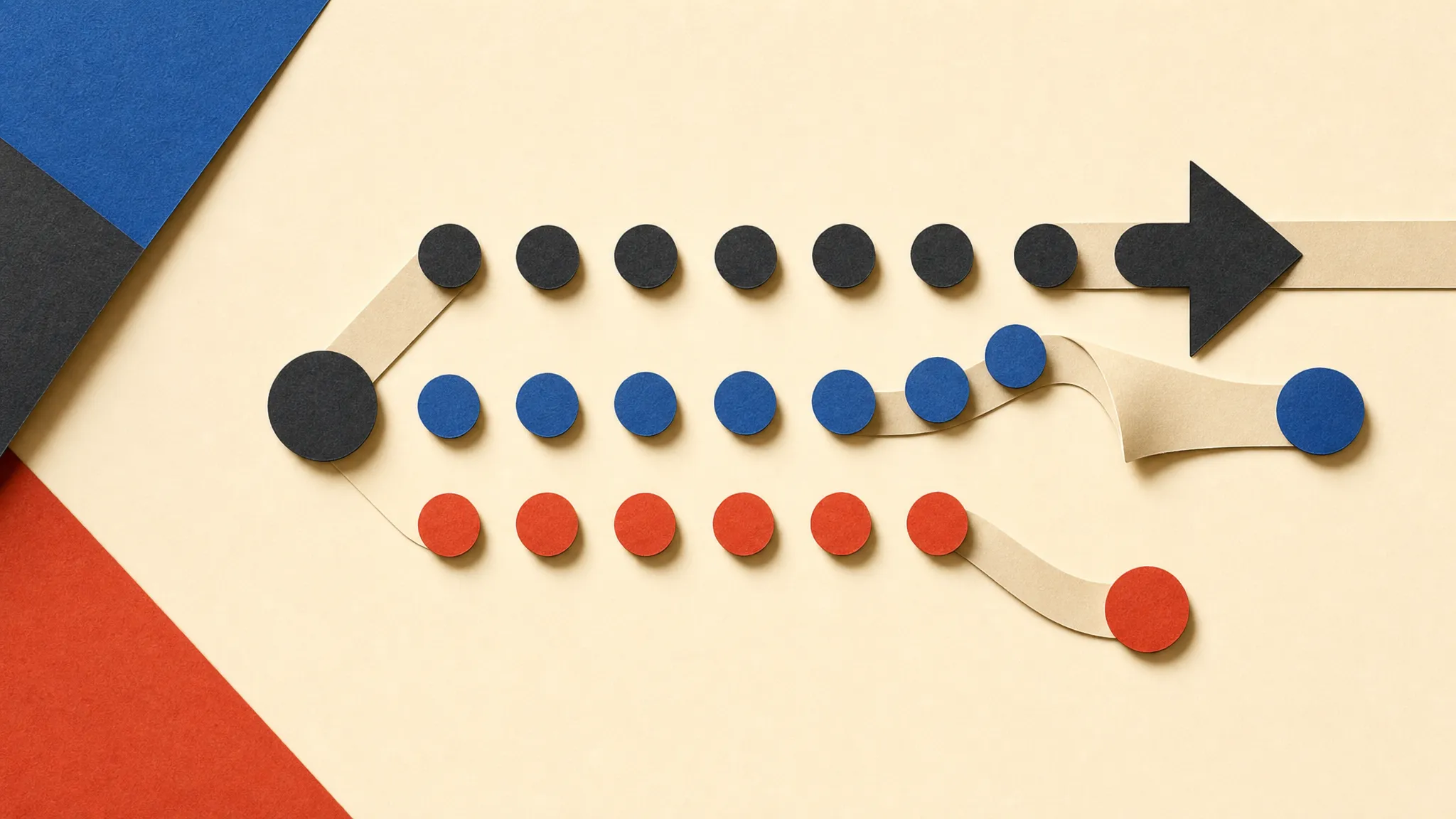
Before production begins, decide what needs to happen in the first phase of the campaign. A useful runway has three parts: a launch moment, a learning period and a decision point. This does not turn the work into a spreadsheet. It makes sure the team knows what it is trying to learn before someone declares success or failure on instinct.
1. Launch with one clear signal
The opening needs to make the central idea legible. That does not mean putting every proof point in the first execution. It means giving the audience a clear reason to pay attention and a clear sense of what the brand is saying. When the idea is strong, people should be able to describe the shift in plain language, even if they do not recall the exact headline.
2. Give the work time to appear in context
People do not receive a campaign in the order the team planned it. They might see a short video first, encounter a store message later, visit the website weeks after that and only then connect the dots. Give the work enough time and enough relevant placements to become more than a single impression. The Ipsos and Google research on ad sequencing is a useful reminder that linked creative can improve recall and message retention compared with simply repeating the same ad.
3. Choose the decision point in advance
A decision point is not a ceremonial wrap-up meeting. It is the moment to ask what the evidence says. Has the right audience been reached? Is the message understood? Are people responding in a way that matches the campaign’s job? Is the work still relevant to the market moment? A campaign may need a second chapter, a creative refresh, a channel adjustment or an intentional conclusion. The point is to decide from the job, not from internal boredom.
Use three checks before changing direction
When a campaign starts to feel slow, teams often jump straight to new creative. Sometimes that is exactly right. Often it is an expensive way to hide a different problem. Before rebuilding the work, check the audience, the message and the delivery.
Audience: are the right people actually seeing it?
A campaign cannot be judged fairly if the intended audience has had too few meaningful chances to encounter it. Look beyond overall impressions. Consider whether the right people are being reached, whether the media matches the moment of decision and whether the plan is over-serving a small group while missing the broader audience. A weak response can be a reach problem before it is a creative problem.
Message: can people understand the point quickly?
Attention is not enough. If people remember a striking visual but cannot say what the brand is offering, the campaign may be entertaining without doing its business job. Test the language and the logic. Is the central promise clear? Does the proof support it? Does the call to action make sense for the stage of the relationship? A clearer message can extend the useful life of the campaign without changing its core idea.
Delivery: does each channel have a real role?
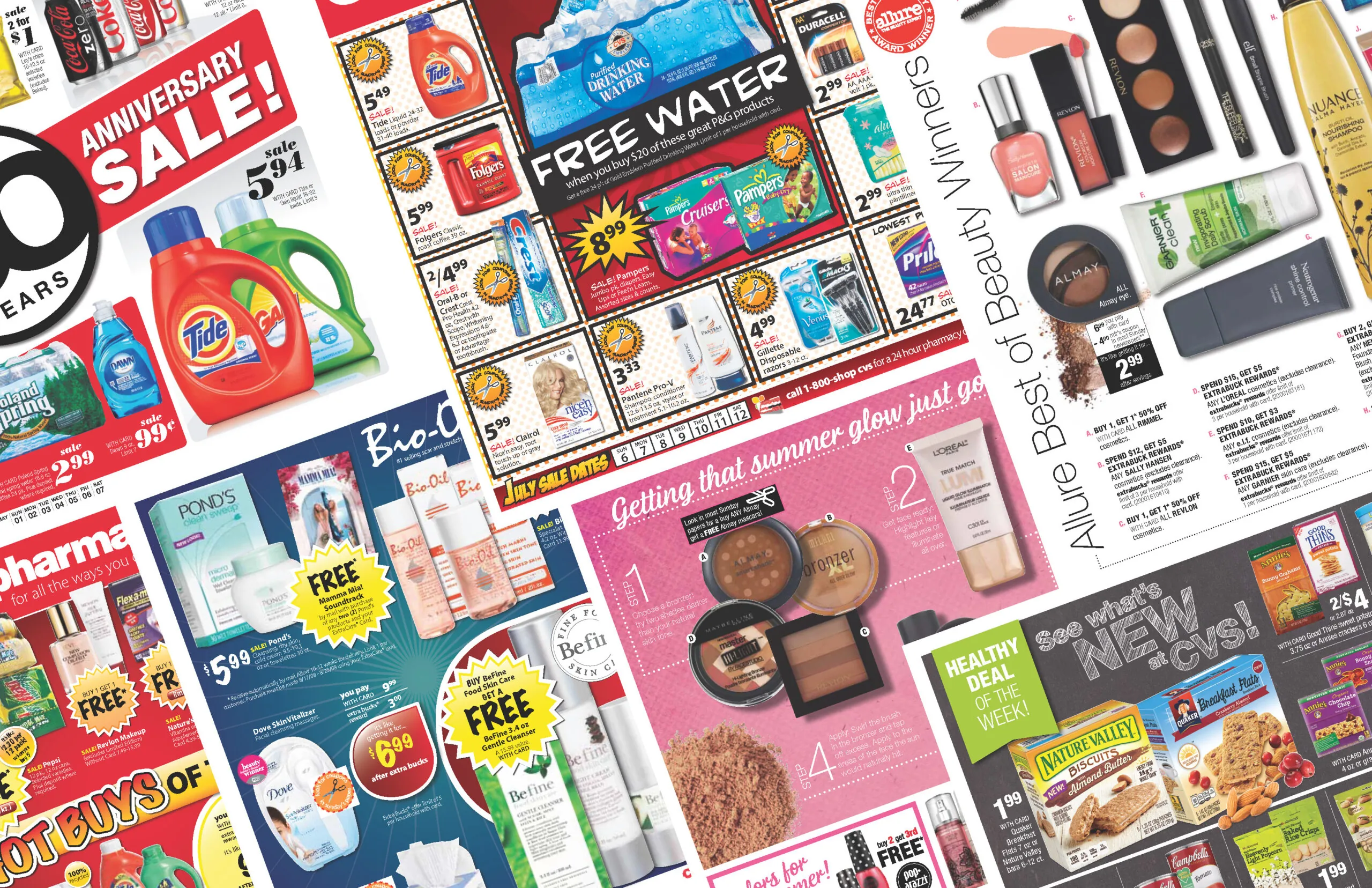
Copying the same asset everywhere is not an integrated campaign. Different channels need different expressions of the same thought. A film may create emotion, a landing page may explain the offer, retail may make the promise tangible and a sales tool may answer the practical questions. Chad’s #OneStepCloser work for CVS Health shows how one human idea can travel across broadcast, digital, in-store and social work while each touchpoint does a different job.
These checks prevent a common mistake: treating a lack of immediate response as proof that the campaign idea has failed. Sometimes the idea needs a better route to the audience. Sometimes the customer needs more evidence. Sometimes the work needs time to become familiar. And sometimes the diagnosis is honest: the message is not doing enough. The value is in knowing which situation you are in.
Match the duration to the customer’s pace
A useful campaign timeline follows the speed of the decision, not the speed of the internal planning cycle. A customer deciding whether to visit a weekend event may need a simple, concentrated message close to the moment. A person considering a healthcare service, a new membership or a substantial purchase may need reassurance across several weeks or months. The campaign has to meet them before, during and after the decision, not only at the moment the business is most ready to talk.
That does not require an endless media plan. It requires a sequence with a purpose. Early work can create recognition and name the tension. The middle can add proof, examples or a more useful explanation. Later work can make the response easy, whether that means visiting, booking, asking a question or choosing an offer. Each stage should earn its place. If the campaign only repeats the opening message, people may notice it without gaining a new reason to act.
Consider the natural rhythm of the category as well. Retail calendars, seasonal needs, product availability and real customer habits all affect how much time is useful. A campaign that asks people to change a routine should not be judged by the same clock as a short promotion. A campaign tied to a fixed event cannot be extended indefinitely. Good planning acknowledges that difference upfront, then keeps the team honest about whether the next phase still has a job to do.
Refresh the expression before replacing the idea
Creative refresh does not mean starting over. A durable campaign often needs new executions so the audience has fresh reasons to notice it, but the central point of view can remain intact. Keep what makes the work recognisable, then change the context, story, proof, format or customer moment around it.
Refresh is most useful when the campaign’s message is still relevant but the execution has become too familiar, too narrow or too tied to one channel. It can mean showing a new use case, giving another audience a more specific entry point, moving from a broad story to practical proof or sequencing the work so each expression adds something new. The aim is to build on memory, not erase it.
The campaign branding system matters here. As explained in Campaign Branding: How to Build a System That Holds Together, a good system clarifies what must stay fixed and what can flex. When those decisions are in place, a campaign can evolve without becoming unrecognisable or demanding a new concept for every request.
Know when to end it
Ending a campaign can be the right call when the business moment has passed, the offer has changed materially, the audience no longer needs the same message or the central idea is not creating the intended shift despite a fair test. The cleanest endings are deliberate. Capture what worked, what did not and what should carry into the next effort.
Do not confuse an end date with a dead end. The customer insight, message discipline, visual cues or channel lessons may be worth keeping. A strong campaign often leaves behind a more capable team and a clearer understanding of what the audience responds to, even when the work itself no longer needs to be in market.
How Chad helps campaigns stay useful
Chad helps organisations set the strategic idea and creative direction that allow a campaign to live beyond its first launch. His experience across brand strategy, integrated campaigns, retail experience and healthcare communication is especially useful when the work needs to move between a big story and the practical moments where customers decide what to do next.
That can mean defining the campaign platform, planning the first sequence of work, deciding what should be fixed and what should flex, or helping a team make a clear call when it is time to extend, refresh or end the effort. For a campaign that needs more than a short-lived splash, start a conversation with Chad.
Frequently Asked Questions
Campaign duration questions, answered.
How long should a brand campaign run?
A brand campaign should run long enough for the audience to encounter, understand and connect the idea across more than one moment. The right duration depends on the size of the audience, available reach, the buying cycle and the strength of the creative system. The central idea can stay in market for months or longer while individual executions evolve around it.
How long should a promotional campaign run?
A promotional campaign should match the real decision window. A weekend offer may need only a few days of concentrated communication, while a seasonal retail moment may need enough lead time for people to notice, consider and act. The deadline should be genuine, and the plan should leave room to learn before the final push.
How do you know when a campaign is getting tired?
Look for a pattern, not one disappointing number. Declining attention, weaker response from people who previously engaged, or creative feedback that repeats the same concern can signal fatigue. First check whether the audience is being reached efficiently and whether the offer still fits the moment. If the idea is still clear and relevant, refresh the expression before replacing the platform.
Should every campaign have a fixed end date?
Every campaign needs a decision point, but not every strong idea needs a hard stop. A fixed review date gives the team a chance to assess the work against its job, audience and evidence. A durable campaign can earn another chapter, a new execution or a different channel role without being treated as a completely new campaign.