
The advertising campaign examples worth studying are not simply the loudest, prettiest or most heavily funded. They make a clear promise to a real person, give that promise a form people can remember and make it believable wherever the customer meets the brand.
That is more useful than a swipe file of famous ads. A campaign can begin with a film, poster, social placement or retail display, but one execution is not the strategy. The stronger question is: what made all of those pieces feel like they belonged to the same idea, and what did each one help a customer understand or do?
What to look for in an advertising campaign example
Good examples reveal the choices behind the surface. Before borrowing a tactic, look for four things: the change the business needs, the human situation behind it, the single thought the audience should carry away and the proof that makes that thought credible. Those choices give creative work a center.
They also prevent a common mistake: treating every channel as a place to repeat the same line. A campaign can stay recognizable while a film creates feeling, a landing page answers questions, a store makes the promise tangible and a social placement keeps the idea present. The point is not more activity. It is a more coherent customer experience.
1. Beauty in Real Life: make the audience feel seen
A useful campaign begins with an observation that the audience recognizes before the brand explains it. Chad’s Beauty in Real Life work for CVS Beauty placed beauty in the unglamorous, demanding roles people actually inhabit, from parent to manager to everything in between. The point was not to add another abstract beauty claim. It was to give the category a more human point of view.
The lesson is not that every brand needs an emotional story. It is that the story has to earn its place. When a campaign understands the pressure, hope or friction in someone’s real day, the product message has a chance to feel relevant rather than imposed. That audience situation should be visible in the creative brief before a team starts choosing formats.
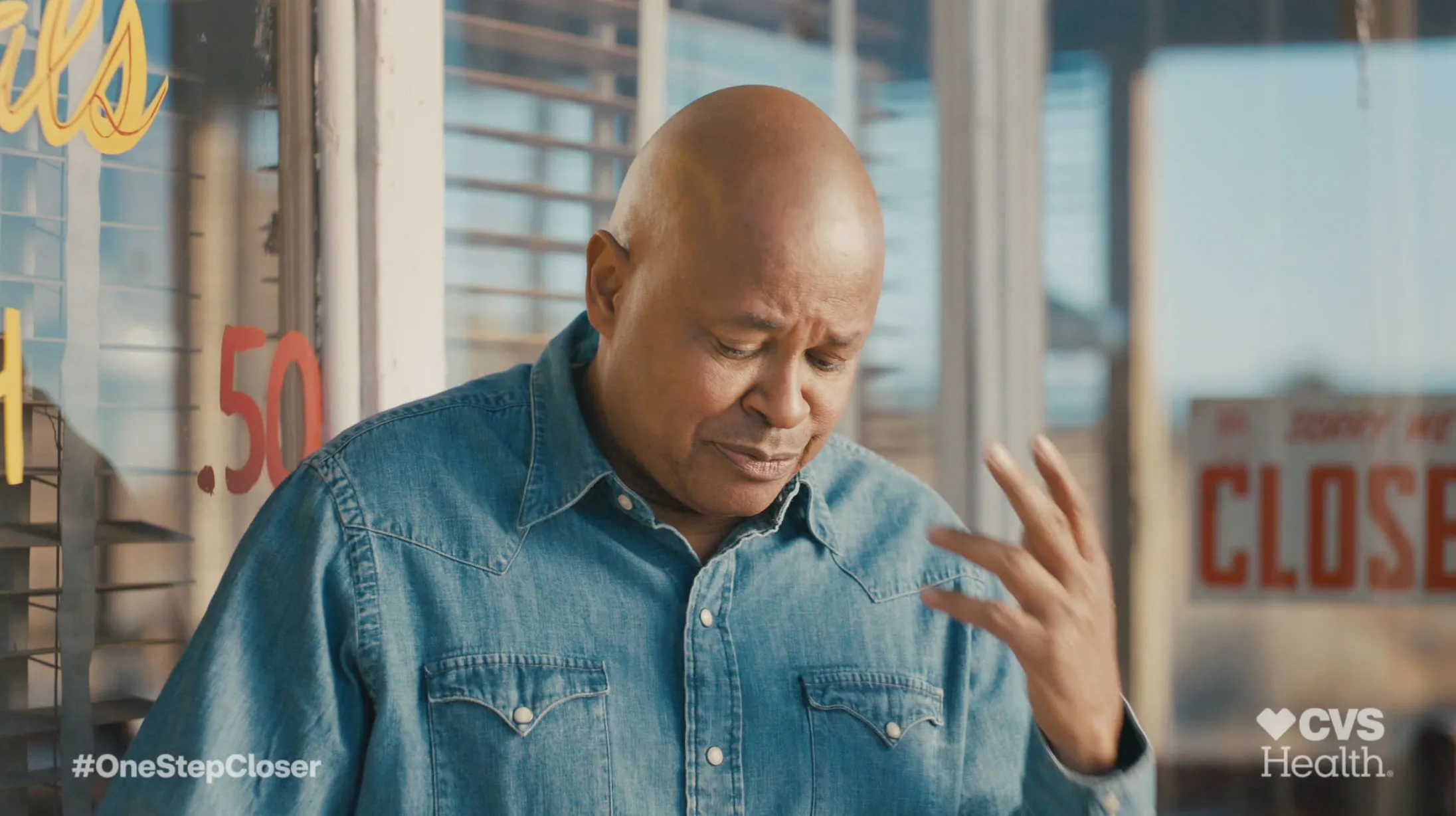
2. #OneStepCloser: make a big promise practical
Healthcare communication often fails by becoming either too clinical or too sentimental. The #OneStepCloser campaign for CVS Health used hope, progress and the everyday moments people wanted to return to as its central human idea. That allowed a high-stakes subject to feel personal without making promises the experience could not support.
The important move was connecting the feeling to practical action. Broadcast, digital, in-store and social work could all play different roles, while the campaign still pointed back to a familiar next step. This is the kind of alignment an integrated marketing campaign needs: one promise, several useful expressions and a customer journey that does not contradict the message.
3. America’s Choice for Vaccinations: let proof carry the message
Campaigns are weaker when they ask people to believe a claim without showing why it is true. In America’s Choice for Vaccinations, the work made a practical healthcare decision feel clearer and easier across broadcast, online video, advertising and social. The campaign was not asking people to decode a new behavior. It gave them a reason to choose a familiar, accessible place.
For a marketing team, that is a useful test. Can the audience see the proof in the same moment as the promise? If the proof only appears after a person has clicked, called or visited, the campaign may be making the hardest part of the decision harder than it needs to be. A campaign messaging framework helps separate the main idea from the specific reasons to believe it.
4. Symphony: give each customer moment a job
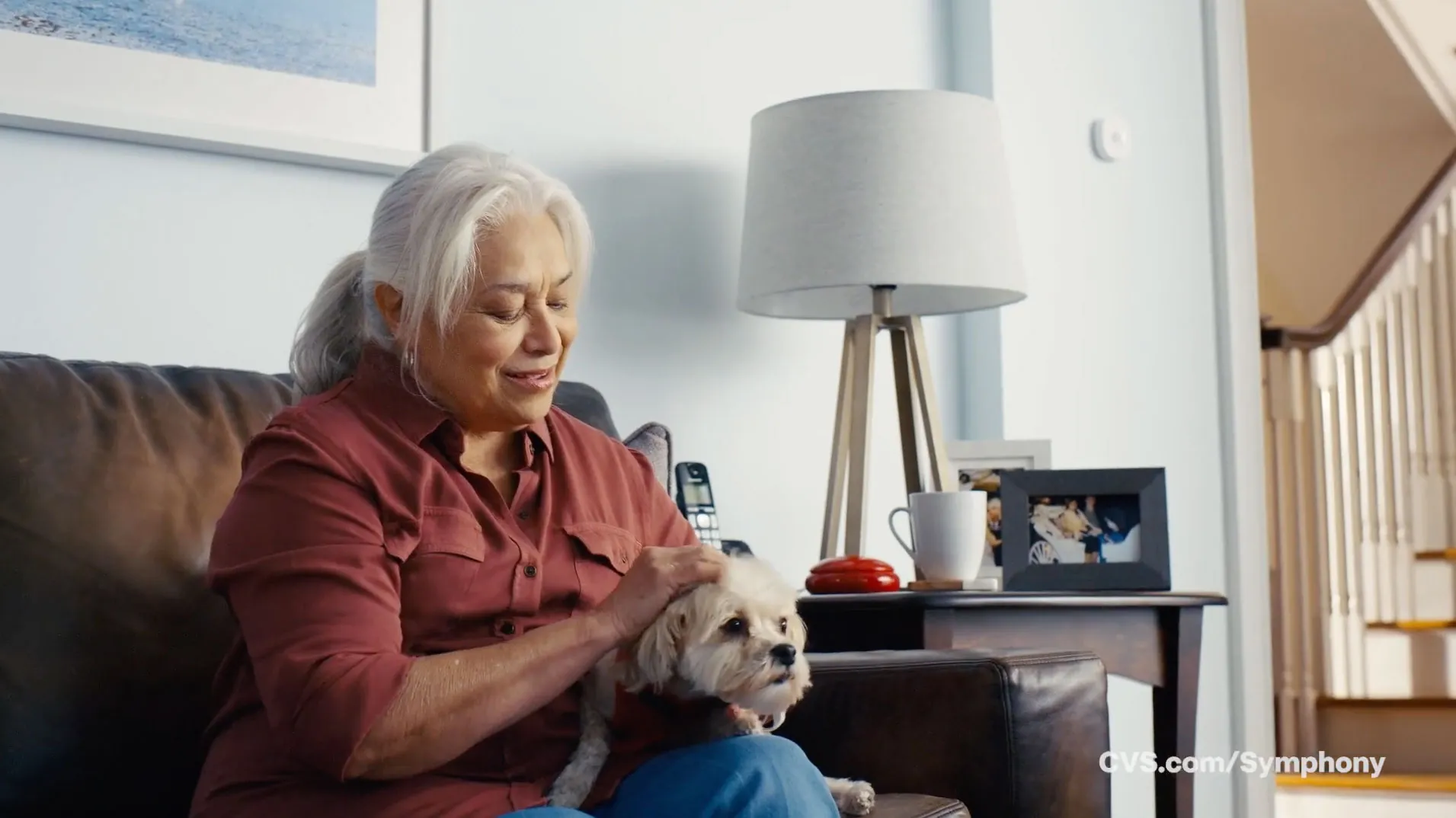
An advertising campaign does not become integrated by placing the same asset everywhere. Chad’s Symphony launch used online video, online advertising, social, digital, landing pages and partner content to make a connected safety product feel understandable and reassuring. Each touchpoint could do a different job while the customer still encountered one recognizable story of independence and peace of mind.
Use this lens on any example you admire. The first exposure might create curiosity. A product page might explain the mechanics. Partner content might build confidence. Social work might maintain attention. If every channel is trying to do every job, the campaign usually becomes crowded. A good campaign plan names the role of each moment before production turns that decision into a long asset list.
5. Rx Delivery Manhattan: make the idea fit the context
Context changes what people need from a message. Chad’s Rx Delivery Manhattan work put prescription delivery in the city’s line of sight through Times Square, transit media, bus terminals and taxis. The execution matched a service designed for a busy urban routine: it made the idea hard to miss where the practical problem was most familiar.
That is a sharper lesson than “use out-of-home.” Choose the places where the audience can immediately understand why the message matters. A campaign should adapt to the moment without abandoning its central thought. The same principle helps a retailer, healthcare organization or service business decide whether a customer needs a prompt, an explanation, reassurance or a simple route to action.

Do not copy the expression, copy the discipline
Famous campaigns can be useful and still be dangerous reference material. It is easy to borrow a visual convention, a provocative tone or a celebrity format because it is memorable. But an execution that works for one brand can make another look like it is borrowing someone else’s personality. The more distinctive the original campaign, the less useful its surface may be as a template.
Instead, borrow the discipline behind it. A team can learn from Beauty in Real Life to begin with a lived audience tension. It can learn from #OneStepCloser to connect an emotional idea with a practical customer action. It can learn from Symphony to give every channel a distinct role. Those are decision-making patterns, not creative shortcuts.
This distinction is especially important when a team is under pressure to “make something like that.” Bring the conversation back to the customer and the business. What is genuinely true about the offer? What does the audience need to feel or understand before it can act? What proof is available? The answers may lead to work that is quieter, stranger, more useful or more direct than the reference. That is usually a sign the campaign is becoming its own thing.
A simple review before the work goes live
Before approving an advertising campaign, test the idea at three levels. First, can a person who sees the first execution understand why it should matter to them? Second, can they find proof when they want more than a promise? Third, does the next customer moment make the intended action feel easier rather than creating a gap between the message and the experience?
That review catches the issues that a beautiful first execution can hide. A campaign may have a strong film but a vague landing page. It may make a relevant promise but leave frontline teams without the context to support it. It may have an elegant visual system that starts to break when the idea reaches a different channel. The goal is not to make every expression identical. It is to make each expression recognizably part of the same customer commitment.
Teams can use a worked campaign brief example to make those decisions concrete, then return to it at concept review, production and launch. The brief becomes a practical standard: does this help the audience recognize the idea, believe it and take the next useful step?
Turn examples into a working standard
Before your team says “we like that campaign,” ask four questions. What was the audience dealing with? What did the campaign want to change? What was the one idea holding its executions together? What did each expression add that the others could not? Those answers are more transferable than a treatment, a headline or a media plan.
Then apply the answers to your own assignment. Define the business decision before the deliverables, give the audience one memorable thought, identify the proof that makes it believable and decide what each customer moment needs to do. Chad’s advertising brief guide offers an eight-part way to put those decisions in writing, while the campaign checklist helps test whether the work is ready before launch.
How Chad helps make a campaign hold together
Chad helps teams turn a business need into an idea people can recognize across the places that matter. His work brings together brand strategy, creative direction, retail experience and integrated campaigns, so the promise is not confined to the first ad or presentation.
That can mean clarifying the real problem, shaping the campaign platform, finding credible proof or guiding the work through the customer journey. The goal is not a pile of assets. It is a campaign with a clear center and a useful role at each moment. For a launch, repositioning or customer experience that needs that kind of coherence, start a conversation with Chad.
Frequently Asked Questions
Advertising campaign questions, answered.
What makes an advertising campaign successful?
A useful campaign has a specific job, a clear view of the audience and a central idea that can travel across the moments that matter. The creative work still needs craft, but it performs a clearer role when the promise, proof and next step agree with each other.
How many ads should be in a campaign?
There is no useful universal number. Start with the customer moments that have a distinct job to do, then make only the work needed to support those moments. One strong idea expressed well in a few places is usually more effective than a large collection of disconnected assets.
What is the difference between an advertising campaign and an ad?
An ad is one execution, such as a film, poster, social placement or display unit. An advertising campaign is the connected system around that execution: the business objective, audience situation, central promise, proof and the different ways the idea appears over time.
How do you use campaign examples without copying them?
Study the decision behind the work, not the surface treatment. Ask what human tension the campaign noticed, what promise it made believable and how each customer moment played a role. Those are useful principles to adapt. Another brand's visual style, slogan or storyline is not.