
A useful campaign plan makes the important decisions before the work multiplies. It gives a team one clear objective, a defined audience, a message worth carrying and a practical role for every customer moment. That is how a campaign becomes connected work, rather than a collection of assets that happen to launch at the same time.
Templates can help, but only when they force useful choices. A page full of empty fields is not a plan. The value is in agreeing what needs to change, why it matters to the audience and how the work will earn that change. Use the eight decisions below as a campaign plan template for a launch, a new service, a seasonal push or a larger brand effort.
1. Write the business objective as a change
Start with the business shift the campaign needs to support. It might be making a new service easier to understand, building confidence before a launch, giving a familiar offer fresh relevance or helping people recognize that the business has changed. Avoid goals that only describe activity, such as "increase awareness" or "make more content." They do not give the team enough direction to make tradeoffs.
Instead, write a sentence that describes the change you need to see: "Help people understand why this service makes everyday care easier," or "Make an overlooked benefit feel personally relevant before the seasonal decision." The U.S. Small Business Administration's marketing guidance likewise starts with a clear goal, audience and measurable outcome before the work expands into channel activity.
This decision becomes the filter for the entire plan. If a channel, claim or asset does not help create the intended shift, it may be useful later, but it does not belong in the first wave.

2. Define the audience tension, not just the audience label
Demographics can be helpful, but "adults 35 to 54" does not tell a creative team what a person needs from the campaign. The plan needs the tension behind the choice: uncertainty, time pressure, skepticism, a sense that the category is too complicated, or the gap between a practical need and the confidence to act.
Describe who matters, the moment they are in and what is making the decision difficult. For example: "Busy caregivers who know they should make time for preventive care, but see it as another complicated task." That gives the message a real job. It also helps every channel decide how much explanation, empathy or proof it needs to provide.
Use the audience tension to keep the plan honest. It should reflect a real customer problem the business can help solve, not an internal wish about what people should care about.
3. Set one central message and a few reasons to believe it
Every campaign needs one dominant thought. It is not necessarily a tagline. It is the plain-language promise that makes the work coherent when people encounter it in different places. A good message names the value or change the audience should take away. The reasons to believe it give that message substance.
Keep the proof selective. A customer does not need every fact the business can claim in the first encounter. They need the evidence that makes the main promise more credible. A useful message hierarchy includes the central thought, two or three supporting points and the practical detail that belongs closest to action.
For a more detailed way to build that hierarchy, use the guide to campaign messaging. The message does not have to appear in the same words everywhere. It does have to remain recognizable.
4. Choose the customer moments that matter most
A campaign plan should be organized around how people encounter the work, not the order in which the company produces it. One person may meet the campaign through a short video, another through a search result, a retail interaction, a sales conversation or a recommendation from someone they trust. Each entry point needs enough context to stand on its own.
Map the few moments that can genuinely move the decision forward. At first awareness, the work may need to create relevance. During consideration, it may need to explain the offer or provide proof. Near action, it may need to remove friction and make the next step clear. Shopify's marketing campaign guide similarly treats audience, message, execution and measurement as connected decisions, not separate checklists.
The goal is not to show up everywhere. It is to make the selected moments work together. A smaller plan with clear roles is more useful than a broad list of channels that all repeat the same thing.
5. Give every channel a job
Once the moments are clear, decide what each channel is best suited to contribute. A campaign film can create feeling and scale. A landing page can explain the value and offer proof. Social can introduce one relevant reason to care. A retail moment can make the promise tangible. A sales tool can answer the question that follows interest.
This is the difference between integrated work and putting the same asset in several places. The campaign should keep one central idea, while each expression adds something the audience needs at that moment. Chad’s guide to integrated marketing campaigns breaks down how those roles can work together without turning the work into a copy-and-paste exercise.

Write the role next to every channel in the plan. If you cannot explain what a channel needs to do, delay it. The answer should be a purpose, not a deliverable: create interest, make the offer understandable, give a customer proof, help someone act, or give a team a way to continue the conversation.
6. Make a realistic delivery plan
The schedule should follow the decisions above. Begin with the work that establishes the campaign center, then build the supporting pieces that make the idea useful in other moments. This typically means agreeing the objective, audience, message and proof before final production begins. Otherwise, teams spend time revising individual assets after the core story changes.
Include the actual checkpoints that protect quality: brief approval, concept decision, production milestones, channel readiness, launch, and the first review. Name an owner for each decision, not only each task. A timeline with no clear decision maker tends to turn every open question into a meeting.
A campaign creative brief should sit inside this plan as the strategic starting point. The brief explains the problem and the idea. The campaign plan turns that foundation into coordinated action.
Leave space for the things that change once the work meets the real world. A media opportunity may shift. A product detail may need more explanation. A partner may identify a useful customer question. The plan should make those changes easier to assess: does this request strengthen the campaign objective, make the message more credible or help a customer take the next step? That is more useful than treating the launch calendar as fixed while the audience context moves around it.
It also helps to separate launch-critical work from useful follow-on work. The first wave should establish the idea and make the action clear. Later expressions can answer questions, prove the promise in more detail or keep the campaign fresh. This is a more disciplined way to decide how long a campaign should run, because it distinguishes a durable idea from a single execution that has reached its limit.
7. Decide what you will measure before launch
Measurement should match the job of the campaign. If the work needs to introduce an unfamiliar service, useful signals may include understanding, qualified visits and the questions people ask. If it needs to create demand, the plan may track qualified inquiries, conversion behavior and follow-through. If it needs to change a perception, the team may need a way to assess recognition, consideration or the associations people make with the brand.
Reach and activity numbers have a place, but they only show that people had an opportunity to see the work. They do not show whether the campaign created the change you needed. The American Marketing Association’s marketing definitions emphasize coordinated activity around a common theme. The measurement plan should show whether that coordination is helping the business, not merely producing output.
Set a few leading signals and a smaller number of outcome measures. Then assign when the team will review them and what it will do with the learning. This keeps the campaign from being judged only after the budget is spent.
8. Use a one-page campaign plan summary
After the detailed work is done, make it easy for people to use. A one-page summary is often the most valuable part of the campaign plan because it lets internal teams, agency partners and specialists see the shared decisions without hunting through a deck. It should contain the objective, audience tension, central message, proof, customer moments, channel roles, timing and measurement.
Keep the summary specific enough to settle the big choices and open enough to allow good creative judgment. The plan should not prescribe every headline or every asset. Its job is to protect the central idea while the work adapts to real customer contexts.
- Objective: What business or customer change must this campaign support?
- Audience tension: What is making the decision difficult or meaningful for the people who matter?
- Central message: What is the one idea they should recognize and carry away?
- Proof: What two or three reasons make that message believable?
- Customer moments: Where will people first encounter the work, consider it and act?
- Channel roles: What must each expression contribute that another cannot?
- Plan: What decisions, owners and milestones protect the quality of the work?
- Measurement: What evidence will show whether the campaign is creating the intended change?
Turn the template into a working conversation
Use the summary as the first page of the plan, not the last slide in a presentation. Ask the people accountable for the business, customer experience and delivery to answer each decision in plain language. Where the team cannot agree, that is usually the real planning work still to do.
A useful way to see the template in action is this campaign brief example. It shows how a broad healthcare-service launch becomes a set of connected choices about the audience, message, proof, customer moments and success measures.
Use the template to make better campaign decisions
A campaign plan is not paperwork. It is a way to avoid expensive drift. When the objective, audience, message and channel roles are clear, teams can move faster without treating every new request as a reason to restart the conversation. The result is a campaign that feels more coherent to customers and more manageable to the people making it.
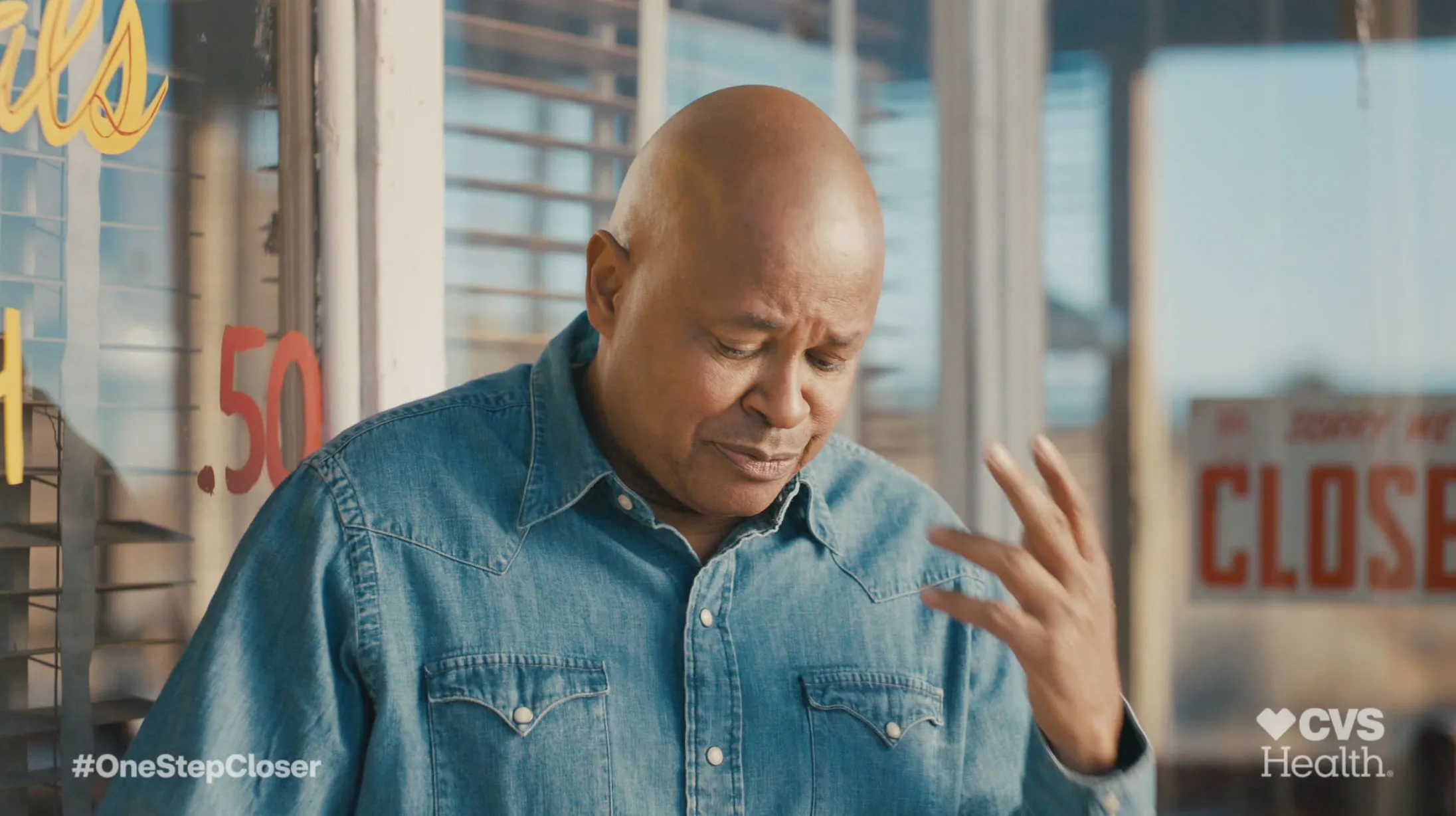
That is visible in Chad’s #OneStepCloser work for CVS Health. The campaign made vaccination feel like progress toward the everyday moments people wanted back, then carried that human promise through broadcast, digital, in-store and social expressions. The work did not need identical executions. It needed a clear idea, relevant proof and a role for every customer moment.
The same principle applies to every kind of campaign, from a complex launch to a focused retail or healthcare message. The planning document does not need to become a large presentation. It needs to make the right decisions visible early enough that the campaign can stay clear when the work becomes more detailed. For a wider view of the difference between the system and the effort itself, read what a brand campaign is designed to do.
How Chad helps make a campaign plan useful
Chad helps teams turn a broad business need into a campaign people can recognize and act on. His work across brand strategy, integrated campaigns, retail experience and creative leadership is particularly useful when the story has to hold together from the big campaign idea through the detailed moments customers actually experience.
That can mean clarifying the campaign objective, shaping the message and creative system, identifying the customer moments that matter most or helping internal teams and partners make sharper decisions as the work expands. For a campaign that needs a clearer center and a practical plan, start a conversation with Chad.
Frequently Asked Questions
Campaign plan questions, answered.
What is a campaign plan?
A campaign plan is the working document that connects a business goal to the audience, message, proof, customer moments, delivery plan and measurement. It keeps a campaign from becoming a list of disconnected assets.
What should a campaign plan include?
At a minimum, include the business objective, audience tension, central message, proof, channel roles, timeline, owners and measurement. The plan should be brief enough to use, but specific enough to settle the important decisions before production begins.
What is the difference between a campaign plan and a creative brief?
A creative brief defines the problem the creative work needs to solve. A campaign plan uses that decision to organize the customer moments, channel roles, timing, responsibilities and evidence of success. The brief sets the center. The plan makes the work executable.
How detailed should a campaign plan be?
Match the detail to the size and risk of the campaign. A focused launch may need a few useful pages. A larger integrated effort may need working schedules and channel plans behind the main summary. In both cases, the central decisions should be clear in one place.