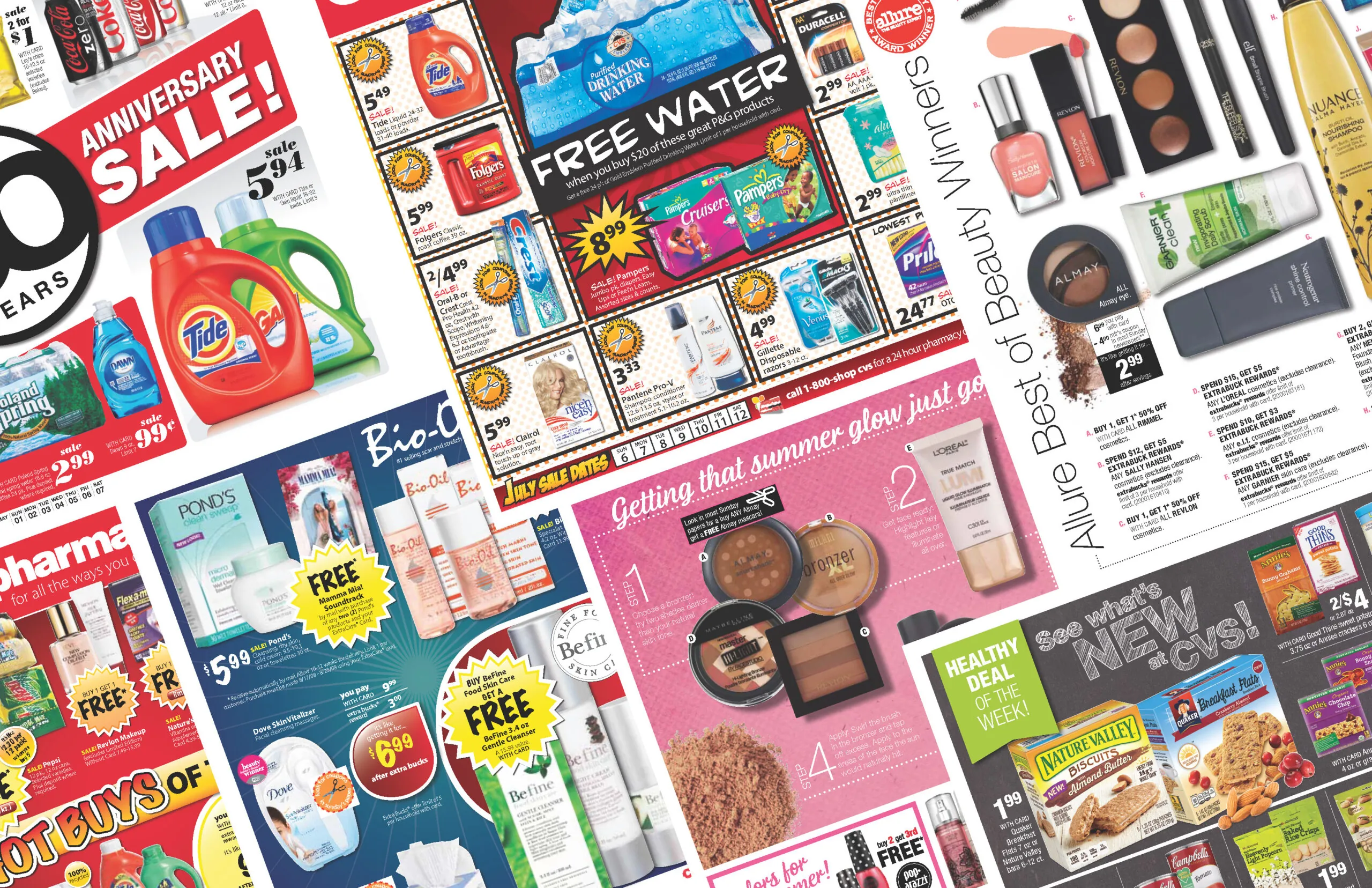

Campaign messaging is the working logic that helps a good idea stay clear when it has to travel. It gives a team one central point to make, the proof that earns belief and the flexibility to speak differently when a customer needs a quick reason to care, a fuller explanation or a practical next step.
Without that logic, campaigns tend to split apart. One channel leads with a broad claim, another introduces a different benefit, a sales team adds its own language and the website tries to carry every detail at once. The work may look related, but the audience has to do the hard work of deciding what the brand is actually saying.
Clear campaign messaging does the opposite. It gives every expression a shared center, then lets each one earn its place. A launch film can create feeling. A landing page can explain the offer. A retail moment can make the promise tangible. A sales conversation can answer the question that follows. The message stays recognizable because each touchpoint is doing a different part of the same job.
Start with the change the campaign needs to create
Before writing a headline, decide what needs to change in the audience's mind or behavior. The American Marketing Association defines a marketing campaign as a coordinated set of activities around a common theme. Coordination only matters when the theme has a real purpose.
That purpose should be more specific than "raise awareness." A campaign may need to make a new service easier to understand, give a routine offer more relevance, restore confidence after a complicated period or help people see a familiar brand in a new light. Each of those jobs calls for a different message, different proof and a different path to action.
Write the job as a desired shift. "Help people see vaccination as a step toward the moments they miss" is more useful than "promote vaccines." "Make a retail value proposition feel personal rather than generic" gives a team more direction than "increase traffic." The first version tells people what the message needs to accomplish. The second only describes activity.
This is where campaign messaging becomes a strategic tool, not a writing exercise. When the intended change is clear, teams can judge whether a proposed message moves the audience toward it or merely adds more words to the page.
Find the one message worth carrying
Every campaign needs a dominant message. It is the simplest expression of the value, shift or belief the audience should take away. It should be clear enough to say in one sentence and substantial enough to guide a film, a digital experience, a store display or a conversation with a customer.
A dominant message is not a slogan. A slogan may be one memorable expression of it, but the message has to work even when the slogan is not present. It needs to explain what the campaign is really asking people to understand, feel or do.
One useful test is to remove the logo and ask: could this statement belong to anyone in the category? If the answer is yes, it may be polished but not specific enough to create a meaningful association. A stronger message connects a real audience tension to something the brand can credibly offer.
For an unfamiliar healthcare service, the tension may be uncertainty. For a retailer, it may be the frustration of feeling unseen by generic offers. For a brand with a complex story, it may be the gap between what the business knows it provides and what customers can actually describe. The message should make that gap smaller.
Build a message hierarchy, not a pile of claims
Once the central message is clear, organize the material around it. A useful message hierarchy gives the team a way to distinguish the big idea from the supporting proof. It stops every channel from trying to say everything at the same volume.
Start with the primary message. This is the idea people should remember after a brief encounter. Next, identify two or three supporting points that make the message credible or more relevant. Finally, collect the practical proof: a feature, an example, a customer benefit, a service detail or a reason the brand is qualified to make the promise.
The hierarchy creates discipline. The primary message should not change every time the work moves to a new channel. The support can change depending on what the audience needs next. Someone meeting the campaign for the first time may only need the main idea and one emotional reason to care. Someone comparing options may need more practical evidence. A returning customer may need a direct prompt to act.

That structure also makes internal reviews more productive. Instead of debating whether every sentence is "on brand," the team can ask whether it belongs at the right level. Is this the central message, a reason to believe or a useful detail that should appear later? The conversation becomes clearer because the work has an agreed order of importance.
Make the proof feel connected to the promise
Messages fail when the claim and the proof feel like they came from different campaigns. A broad promise about trust needs evidence that makes trust tangible. A claim about simplicity needs an experience that feels easier to navigate. A message about personal value needs proof that shows the brand understands the person on the other side of the decision.
Choose proof that does more than restate the claim. If a campaign says a service makes life easier, the proof might show a simpler step, a real customer moment or a practical outcome. If the campaign asks people to see a brand as more human, the proof might be language that respects their concern, a clear explanation of a complicated choice or an experience that feels less transactional.
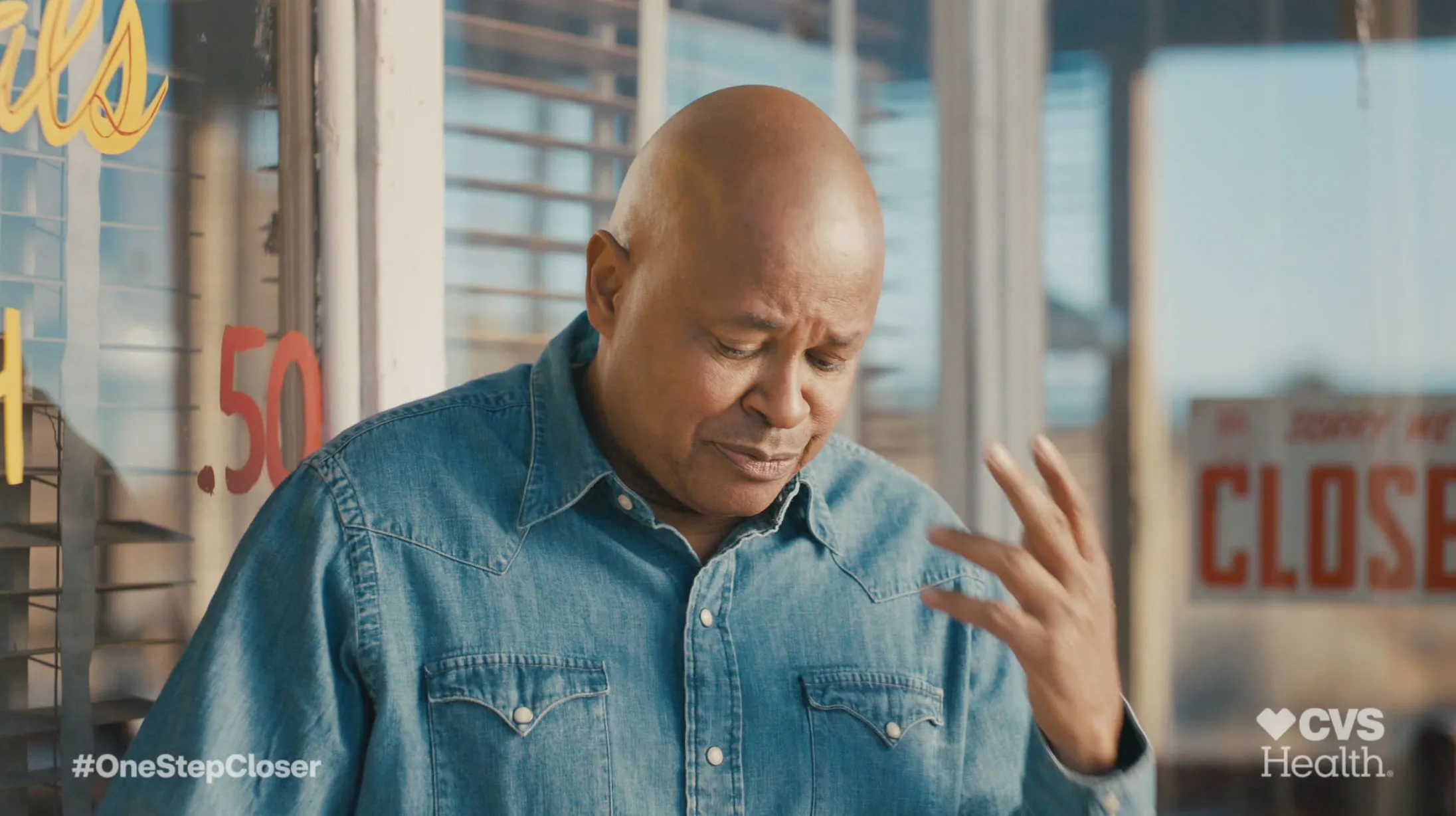
In Chad's #OneStepCloser work for CVS Health, the campaign did not treat vaccination as only a clinical task. It framed the decision as progress toward everyday moments people wanted back. That made the practical action part of a larger human message, then gave the idea room to move across broadcast, digital, in-store and social work.
Proof also gives a campaign staying power. A bold opening can attract attention, but it needs a useful next layer when people want more than a first impression. When the proof fits the promise, later messages can deepen the idea instead of restarting it.
Adapt the expression, not the core idea
Consistency does not mean repetition. Customers encounter messages in different contexts and with different levels of attention. A short video, a web page, an email, a retail display and a sales deck should not all behave the same way. They should each make the same central message useful in the moment they occupy.
Think of the campaign as a conversation that continues. The first expression can introduce the point of view. The next can make the value more concrete. Another can answer a hesitation. A customer experience can show that the promise holds up after the decision. Each piece should add something new while making it easy to recognize the idea underneath.

This is where a strong campaign branding system helps. The visual and verbal cues tell the audience they are still in the same world, while the message hierarchy tells the team what to emphasize. Together, they prevent the campaign from becoming either a set of disconnected assets or one line repeated until it loses its force.
For planning, give every channel a specific role. Ask whether it should build familiarity, create emotional relevance, explain the offer, provide evidence, make the response easy or support the experience after action. A channel with no job usually becomes another place where the message gets diluted.
Stress-test the message before production starts
A campaign message should survive more than a creative presentation. Before turning it into a long asset list, test it against a few practical questions. Can a team member explain it without using the planned headline? Can the audience understand why it matters without needing a full deck of background? Is there enough evidence behind it? Can it become both a broad story and a useful customer-facing detail?
Test the message at three levels. First, the quick version: can it be understood in a few seconds? Second, the considered version: can it hold up when someone asks what makes the claim true? Third, the applied version: can a team use it to choose what belongs in a campaign and what does not?
If the message only works in the quick version, it may be a good line with no operating logic. If it only works after a long explanation, it may be too complicated to travel. The strongest messages do both. They create an immediate signal, then reward attention with a clear story and relevant proof.
It also helps to test for conflict. Does the campaign message agree with the product experience, the customer service story and the next action the business is asking people to take? A message cannot carry a campaign if the experience beneath it points in another direction.
Use campaign messaging to make decisions faster
Messaging is often treated as the words added after the strategy is complete. In practice, it can make strategy more useful because it gives teams a shared decision filter. When a new request arrives, the question becomes: does this help the audience understand the central message, support it with proof or make the next action easier?
That filter is especially valuable when many people are contributing to the work. Brand teams, agency partners, retail groups, product owners and sales teams can all have valid needs. A clear hierarchy keeps those needs from turning into five competing messages. It gives each group a way to add relevant detail without taking over the main idea.
The same discipline matters across a longer campaign. As explained in How Long Should a Marketing Campaign Last?, the core idea can stay in market longer than any one execution. When teams know what is fixed and what is flexible, they can refresh the work without losing the memory they have already built.
Know when the message needs a refresh
A message should change when the business context has changed. A new offer, a different audience need, a revised brand position or a major shift in the customer journey may require a new central idea. In that case, editing the old language is not enough. The campaign needs a clearer answer to a new problem.
But not every sign of fatigue requires a new message. Teams often see the work more often than customers do. If the core idea is still relevant, a fresh example, a more useful proof point or a different entry into the same story may be the better move. Replacing the message too quickly can erase the familiarity the campaign was beginning to earn.
Look for patterns before deciding. Has the audience had enough chance to encounter the message? Do people understand the point but need more evidence? Is one channel failing while another is working? Are internal teams tired of the work, or has the audience genuinely stopped responding? The answer should determine whether the team refreshes the expression, changes the delivery or rethinks the message itself.
How Chad helps turn a message into useful work
Chad helps organizations define the central idea, message hierarchy and creative direction that let a campaign work across real customer moments. His expertise in brand strategy, integrated campaigns, retail experience and creative leadership is useful when the work needs to move from a broad business decision to a clear story customers can recognize and act on.
That can mean clarifying the campaign platform, finding the proof that makes a promise credible, setting the rules that keep a message consistent or helping a team decide how the idea should adapt across a launch, retail experience, digital journey and sales conversation. For a campaign that needs a clearer center, start a conversation with Chad.
Frequently Asked Questions
Campaign messaging questions, answered.
What is campaign messaging?
Campaign messaging is the structured set of ideas a campaign needs to communicate. It starts with one clear central message, then organizes the proof, supporting points and calls to action that make the idea useful in different customer moments.
How is campaign messaging different from a tagline?
A tagline is one expression of a brand or campaign. Campaign messaging is the broader logic behind it. It helps a team decide what every message should emphasize, what proof belongs behind it and how the idea should adapt when the audience needs more detail.
How many messages should a campaign have?
A campaign needs one dominant message, supported by a small number of reasons to believe it. Different audiences and channels can emphasize different proof, but they should not introduce competing versions of the main idea.
When should a team revisit campaign messaging?
Revisit the messaging when the business objective, audience context or offer changes materially. If the core idea is still relevant but the work feels familiar, refresh the proof, examples or execution before replacing the message itself.