Campaign strategy is the decision that keeps a campaign from becoming a collection of disconnected activity. It establishes who the work is for, what needs to change, what the audience needs to take away and where the business can credibly make that promise real.
That decision comes before choosing an ad format, a social platform or a production schedule. Those choices are tactics. They can be excellent, but they cannot rescue a vague assignment. A useful campaign strategy gives every tactic a job, so a first encounter, a detailed explanation and a practical next step work together instead of competing for attention.
The five examples below are not five interchangeable campaign templates. They are strategic approaches for different business situations. Use them to decide what kind of change the campaign should create, then adapt the audience, proof and measures to the actual business.
What a campaign strategy actually decides
A campaign strategy is a coordinated plan for a specific change. It should answer five plain questions: What business situation needs to improve? Who is facing that situation? What should change in their understanding, feeling or behavior? What proof makes the message believable? How will the team know whether the work is helping?
That distinction between a strategic decision and the execution is important. The Open Guide to Integrated Marketing Communications separates the direction from the tactics used to express it, and notes that channels should be chosen for the role they play with the audience. The campaign does not need to appear everywhere. It needs to show up where the next useful customer decision can happen.
Before choosing an approach, write a one-sentence problem statement. For example: “Help local customers understand that our familiar pharmacy can also support everyday care.” That is a better starting point than “make a healthcare campaign” because it names the audience, the perception shift and the business reason. The campaign objectives guide can help turn that sentence into a measurable working objective.
1. Make an unfamiliar offer familiar
Use this approach when the offer is genuinely useful but customers do not yet understand what it is, who it is for or why it belongs in their lives. The campaign’s job is not to list every feature. It is to give people a simple, credible frame of reference that makes the offer easier to recognize the next time they see it.
Imagine a retailer adding a care service to a place customers have always thought of only as a store. The strategic challenge is not merely awareness. It is expanding the role people assign to the brand without asking them to forget what they already trust. The message might connect the new service to a familiar customer pressure, such as making routine care feel less fragmented or less time-consuming.
Start with the audience’s existing mental model. What do they already believe the business does? What practical tension would make the new role relevant? Then make the proof easy to find in the experience itself, whether that is a service page, an in-store moment, a trained team or a clear next step. The campaign should create curiosity, while the experience earns belief.

2. Turn a practical benefit into meaning
Some offers are easy to explain yet easy to ignore. A discount, a delivery option, a membership benefit or a useful product feature can be practical without feeling personally relevant. This approach connects the functional benefit to the moment in a customer’s life when it matters most.
The strategy is not to exaggerate the benefit. It is to show the human consequence of a small improvement. Faster prescription delivery can be framed around recovering time. A membership program can be framed around feeling more prepared for everyday needs. The proof stays practical, but the campaign gives it a reason to matter beyond the transaction.
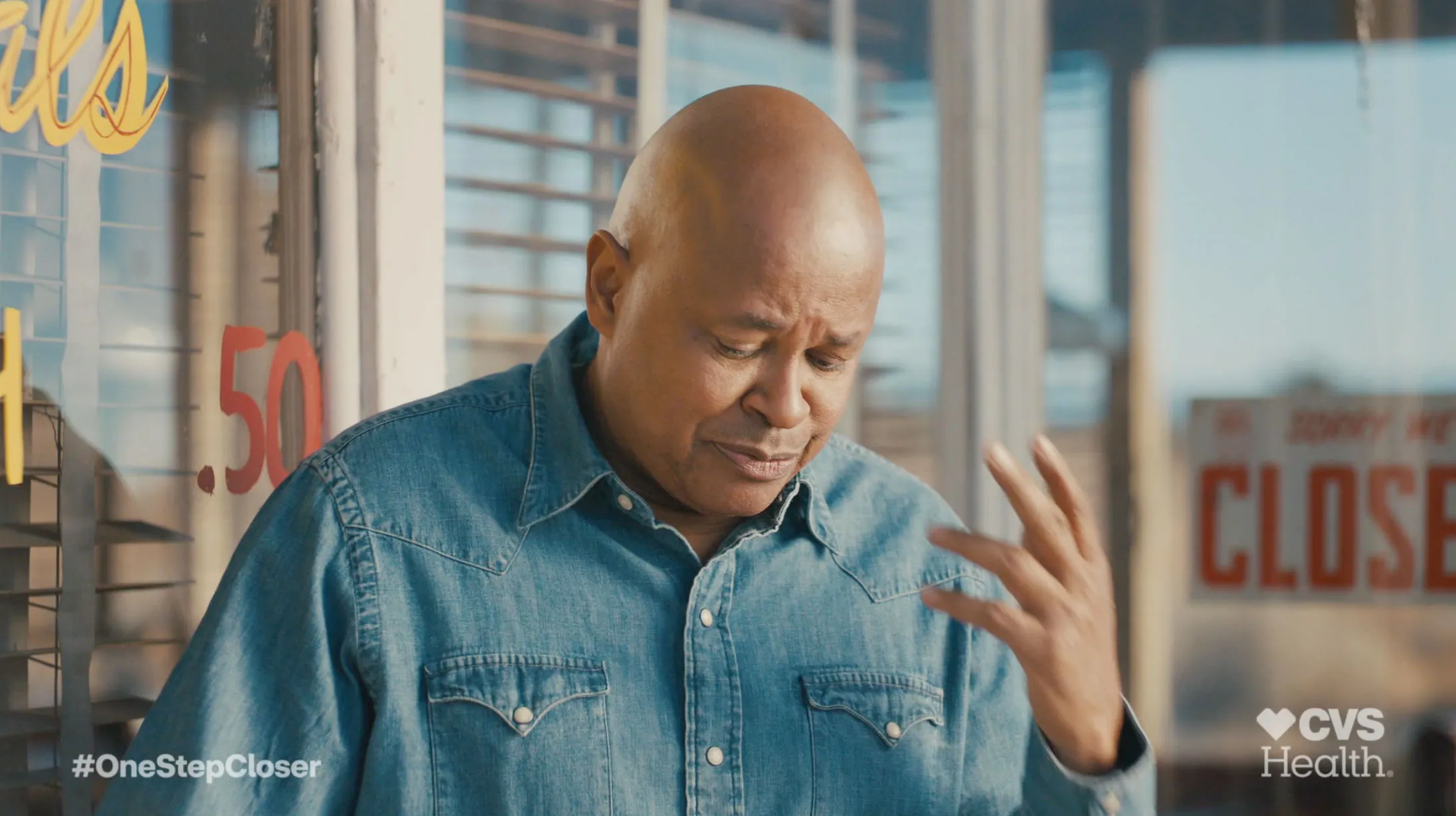
Keep the connection specific. Generic statements about convenience or value rarely create memory because every competitor can make them. The stronger question is: what friction disappears, and what does that make possible for a real person? Chad’s #OneStepCloser work is a useful example of a practical health decision framed around the everyday people were ready to return to.
3. Create preference in a crowded category
When customers see competing offers as interchangeable, the campaign needs to make the business easier to choose for a reason that holds up. This is not a request for louder creative or a more elaborate claim. It is a search for the distinctive perspective, experience or proof that competitors cannot easily copy.
Begin by looking for a category habit the brand can challenge. Perhaps people expect healthcare communication to feel cold and clinical. Perhaps retail offers are treated as noise. Perhaps a service is explained in technical language that leaves customers uncertain. A campaign can create preference by making a better alternative feel more human, more direct or more useful.
The central idea must be supported by the business. If the campaign says the brand understands customers better, the customer journey needs to demonstrate that understanding. If it promises simplicity, the destination cannot become a maze of fine print. The campaign messaging framework helps teams connect a primary promise with the proof that makes it credible.

4. Help a ready audience act
Use this approach when the audience already understands the category and needs a clear reason to take the next step now. The campaign may support a launch, a seasonal opportunity, a timely offer or an action people have been postponing. The strategic job is to remove uncertainty and make the action feel worth doing.
Clarity matters more than cleverness here. State what is available, who it helps, what the person should do and what happens next. Strong action-led work still needs a real audience tension. A customer may hesitate because the process seems difficult, the commitment feels too large or the benefit is not concrete enough. Address that friction directly instead of simply adding urgency.
Each customer moment should do a different part of the job. Broad-reach work can make the reason to act relevant. Search and landing pages can answer practical questions. A retail environment, sales team or confirmation message can make the promise tangible. An integrated campaign works when those handoffs feel like one coherent experience, not a relay race between disconnected teams.
5. Reconnect a changing experience
A business may have improved its product, service or customer experience while the public still holds an older view. This approach helps people notice the change and understand why it is relevant to them. It is especially useful after a repositioning, service expansion, new customer journey or major change in what the business can deliver.
The work begins with evidence. What is actually different now? Which part of the experience can customers see, try or verify? A campaign cannot manufacture a change that the business has not made. It can, however, translate a real improvement into a more understandable customer story.
Map the moments where the old belief is likely to surface. A familiar store, an old product page, a sales conversation or a word-of-mouth recommendation may all need to carry the updated story. Then give each moment language and proof that build on one another. The campaign briefing guide explains how to align those decisions before a team turns them into a long asset list.
Start small enough to make the change visible. A pilot market, one customer segment or a focused service moment can reveal whether the new story is understandable before the business asks every channel to carry it. What matters is not the size of the first expression. It is whether customers can connect the message to an experience that proves it.

How to choose the right approach
Do not choose the strategy that sounds most ambitious. Choose the one that matches the actual business problem. If an offer is unfamiliar, start with understanding. If the benefit is understood but undervalued, make its human consequence clearer. If the category feels interchangeable, build preference around a credible difference. If people are already interested, make action easier. If the experience has changed, reconnect the story to the new reality.
The strategic choice should narrow the work. A team that says its campaign is simultaneously educating, differentiating, launching, building long-term brand meaning and driving a short-term response has not chosen a strategy yet. It has listed desirable outcomes. Pick the primary job, then decide what evidence and secondary measures will show whether it is moving.
Run a simple pressure test before production begins. Could the audience explain the intended takeaway in plain language? Does the offer or experience supply proof for that takeaway? Can each chosen channel make a distinct contribution? If any answer is no, return to the strategic choice before spending time refining the creative expression.
For teams working in shorter cycles, Smartsheet’s overview of agile marketing examples offers a useful reminder: smaller tests can help a team learn quickly, but the learning needs to feed a real strategic decision. Testing random messages or channels produces activity, not direction.
How Chad helps turn a business problem into a campaign
Chad helps organizations clarify the business decision, audience tension, central idea and customer experience that make a campaign worth making. His work across brand strategy, integrated campaigns, retail experience and creative direction is built to make one strong idea useful in the places people actually encounter a brand.
That can mean shaping a campaign platform, finding the proof behind a promise or helping teams decide which customer moments matter first. For a launch, changing offer or customer experience that needs a clearer center, start a conversation with Chad.
Frequently Asked Questions
Campaign strategy questions, answered.
What is a campaign strategy?
A campaign strategy is the set of decisions that connects a business need to a defined audience, a focused message, the customer moments that matter and a way to learn whether the work is helping. Tactics are the things a team makes or buys to carry out those decisions.
How many strategies should one campaign use?
A campaign should usually have one primary strategic approach. It can use several tactics and customer moments, but those should work together toward the same audience change. Several competing strategies make it harder for people to understand what the campaign stands for.
What is the difference between strategy and tactics in a campaign?
Strategy decides where to focus and why. Tactics are the executions that bring that focus to life, such as an ad, event, email, retail display, landing page or sales tool. A tactic is useful only when it has a clear strategic job.
When should a campaign strategy change?
Change a strategy when the business situation, audience evidence, offer or learning proves that the original choice is no longer sound. Do not change it simply because the internal team has grown tired of the work before the intended audience has had time to encounter and understand it.