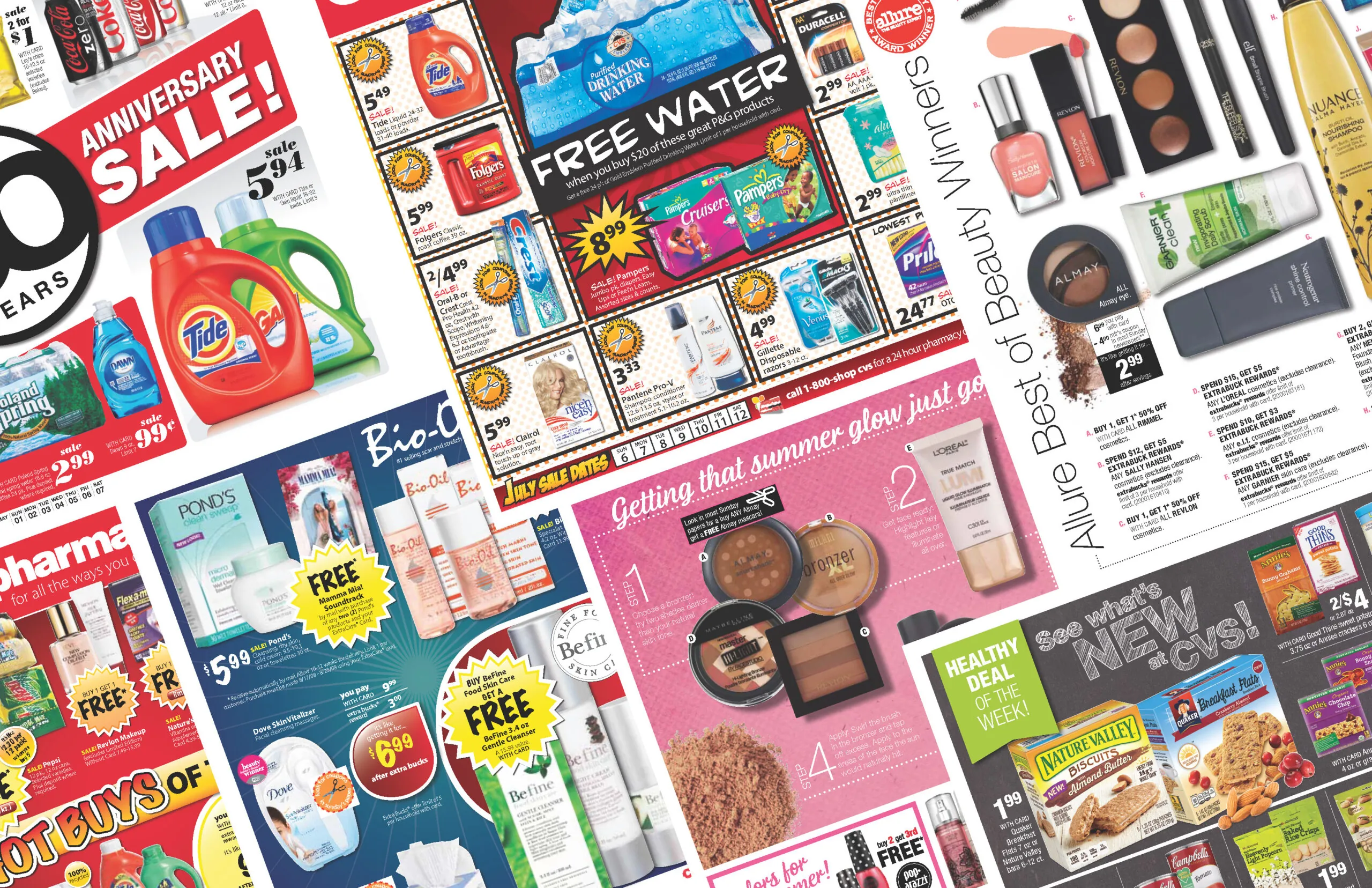

A marketing campaign checklist is a way to make the few decisions that keep a launch from drifting once the work gets busy. It is not a list of every file, meeting or approval. It is a short, practical review of what the campaign needs to change, who it needs to matter to and how each customer moment will help move that decision forward.
Use this checklist before a brand launch, a seasonal push, a new service announcement or an integrated campaign. The goal is not to create a bigger presentation. It is to get the objective, message, proof and next steps clear enough that the people making the work can act with confidence.
1. Can the team describe the change the campaign needs to create?
Start with the business job. A campaign may need to make a new offer easier to understand, refresh interest in a familiar service, build confidence around a complicated choice or give people a more relevant reason to choose the brand. The objective should describe a change in the market or customer response, not an internal activity.
For example, "launch a video" describes an output. "Make busy caregivers see everyday care as easier to access" describes a change worth organizing work around. That sentence becomes the filter for every later decision. When a new request appears, the team can ask whether it helps create the intended shift or simply adds more activity.
A one-page campaign plan is the right place to make this objective visible. It keeps the work connected when the project grows beyond the people who first shaped the idea.

2. Is the audience defined by a real tension?
An audience label is not enough. "Parents," "small business owners" or "customers age 25 to 44" may help with media choices, but none of those labels explains why the campaign should matter. The checklist needs a tension: a friction, uncertainty, aspiration or decision that the audience is already living with.
Try to write it as a moment. A person may know an action is sensible but see it as hard to fit into everyday life. They may be interested in a new offer but unsure whether it is for people like them. They may feel the category is interchangeable until the brand gives them a reason to look again. Those are useful starting points because they tell the message what work it has to do.
Pressure-test the tension with people close to the customer. Sales teams, store teams, customer service colleagues and research partners can often tell you whether the description feels observed or merely convenient. If it only sounds true inside the company, it will not carry much weight outside it.
3. Is there one message people can carry away?
A campaign can have a lot to say, but it needs one dominant thought. That thought is not always the headline. It is the plain-language promise that makes the work feel like one effort when someone sees an ad, opens an email, visits a landing page or speaks with a representative.
Write the message in a sentence before trying to make it sound polished. Then identify two or three reasons to believe it. The supporting proof may be a practical benefit, a product truth, a customer experience, a point of expertise or a clear demonstration. The central message should make the proof easier to understand, and the proof should make the central message credible.
When different teams are developing different parts of the work, a campaign messaging framework gives everyone a shared center. It protects the important idea while allowing the wording and execution to fit the moment.
4. Does every claim have enough proof behind it?
Strong campaigns make a promise and then give people a reason to believe it. That reason should be specific enough to be useful, without forcing every fact into the first encounter. Ask what the audience would need to see, hear or experience before the message feels credible.
Proof can be functional, emotional or experiential. A functional point may show how an offer solves a problem. An emotional point may show why the outcome matters in real life. An experiential point may make the promise tangible in a store, product interaction or service moment. The best proof is not necessarily the largest fact on a slide. It is the detail that resolves the hesitation the audience is most likely to have.
Keep a short list of approved proof points and note where each one belongs. Broad awareness work may need the human reason to care. A landing page or sales conversation may need more detail. That restraint helps the campaign stay clear rather than turning every execution into a brochure.
5. Have you mapped the customer journey, not just the production schedule?
Customers do not experience a campaign in the order a team produces it. Someone may first see a short social post, hear about the offer from a colleague, encounter it in a store, compare it online or find it while looking for an answer to a specific problem. The first encounter, consideration moment and action moment may all be different for different people.
Map the handful of moments that really matter. For each one, write what the person knows, what might hold them back and what would make the next step easier. Early work may need to create relevance. The next moment may need to explain the offer or show proof. The point closest to action may need to remove friction and make the next step obvious.
This is how the campaign becomes more than a coordinated publishing schedule. It becomes a series of useful encounters that build on each other, even when customers enter from different places.

6. Does every channel have a clear job?
Channel selection should follow the customer journey. A film may create feeling and broad attention. A landing page can explain the offer and hold deeper proof. A retail environment can make the promise tangible. Social can introduce one focused reason to care, while a sales tool helps a person answer the question that follows interest.
That does not mean every campaign needs every channel. It means each selected channel should contribute something useful. If the answer is "we should be there because we are always there," pause. The better answer is "this is where we can create interest," "this is where people need proof," or "this is where the campaign can help someone act."
Chad's guide to integrated marketing campaigns explains how one idea can flex across channels without becoming a copy-and-paste exercise. Integration comes from a shared direction and distinct roles, not from repeating the same headline everywhere.
7. Are the ownership and decisions clear?
Campaigns stall when many people own tasks but no one owns the important decisions. The checklist should name who can approve the objective, message, creative direction, proof, channel plan and launch changes. That does not make the work rigid. It gives the team a way to resolve the questions that cannot be settled by another round of comments.
Keep the decision list short. Most campaigns need clarity on the audience, the core idea, the evidence, the key customer moments, the budget choices and the point when the work is ready to launch. Assigning an owner to each decision is more useful than creating an elaborate approval chart that no one checks once production begins.
For agency and internal teams working together, agree how feedback will be collected before the work is shown. Clear feedback is about whether the campaign does its job, not whether every person would have made the same creative choice.
8. Is the timeline built around real decision points?
A launch date is important, but the timeline needs more than a final deadline. It should show the moments when the campaign could materially change: brief approval, concept selection, production readiness, channel readiness, legal or operational review, launch and the first performance review.
Leave room for the work that follows the first wave. A campaign rarely ends when the first set of assets is live. Customer questions, media learning, partner needs and seasonal timing can create useful opportunities to add a new expression of the same idea. The plan should distinguish between what is essential to launch and what can be improved once the market begins responding.
That distinction also makes it easier to decide how long a campaign should run. A durable idea can continue while individual expressions are refreshed or retired.
9. Is the launch experience ready at every important touchpoint?
Before the campaign goes live, walk through the experience as a customer. Open the landing page on a phone. Read the first message without the context of the rest of the campaign. Follow the call to action. Check the retail, sales or service moments that will receive the interest the campaign creates. A good idea loses force when the next step is unclear or disconnected from the promise.
Use a small launch-readiness list: the message is consistent, the proof is accurate, links and calls to action work, customer-facing teams know what is changing, and the first response to interest is ready. The job is not to eliminate every possible question. It is to make sure the important questions have a useful answer before the audience asks them.
The more connected the customer experience, the less likely a campaign is to feel like a momentary claim that disappears when someone tries to act on it.
10. Do you know what you will learn after launch?
Measurement should go back to the objective. If the campaign needs to introduce an unfamiliar offer, the team may look for signs that people understand it and are taking the next useful step. If it needs to create qualified demand, it may track the visits, inquiries and conversations that show the right people are moving closer. If it needs to change perception, it needs a way to test whether the intended association is taking hold.
Reach, impressions and completed views can be useful context. They show that people had a chance to encounter the work. They do not prove the campaign made the intended difference on their own. Decide what leading signals will help the team learn quickly, and what outcome measures will show whether the work is helping the business.
Schedule the first review before launch. Agree what the team will look at, who will be there and what decisions the review can change. Learning only becomes valuable when it leads to a better next move.
A simple way to use the checklist
Bring the people responsible for the business, customer experience, creative work and channel delivery into one working session. Move through the ten questions and write the answer to each in plain language. The result does not need to be a polished document. It needs to be a shared reference that makes the next decisions faster and more consistent.
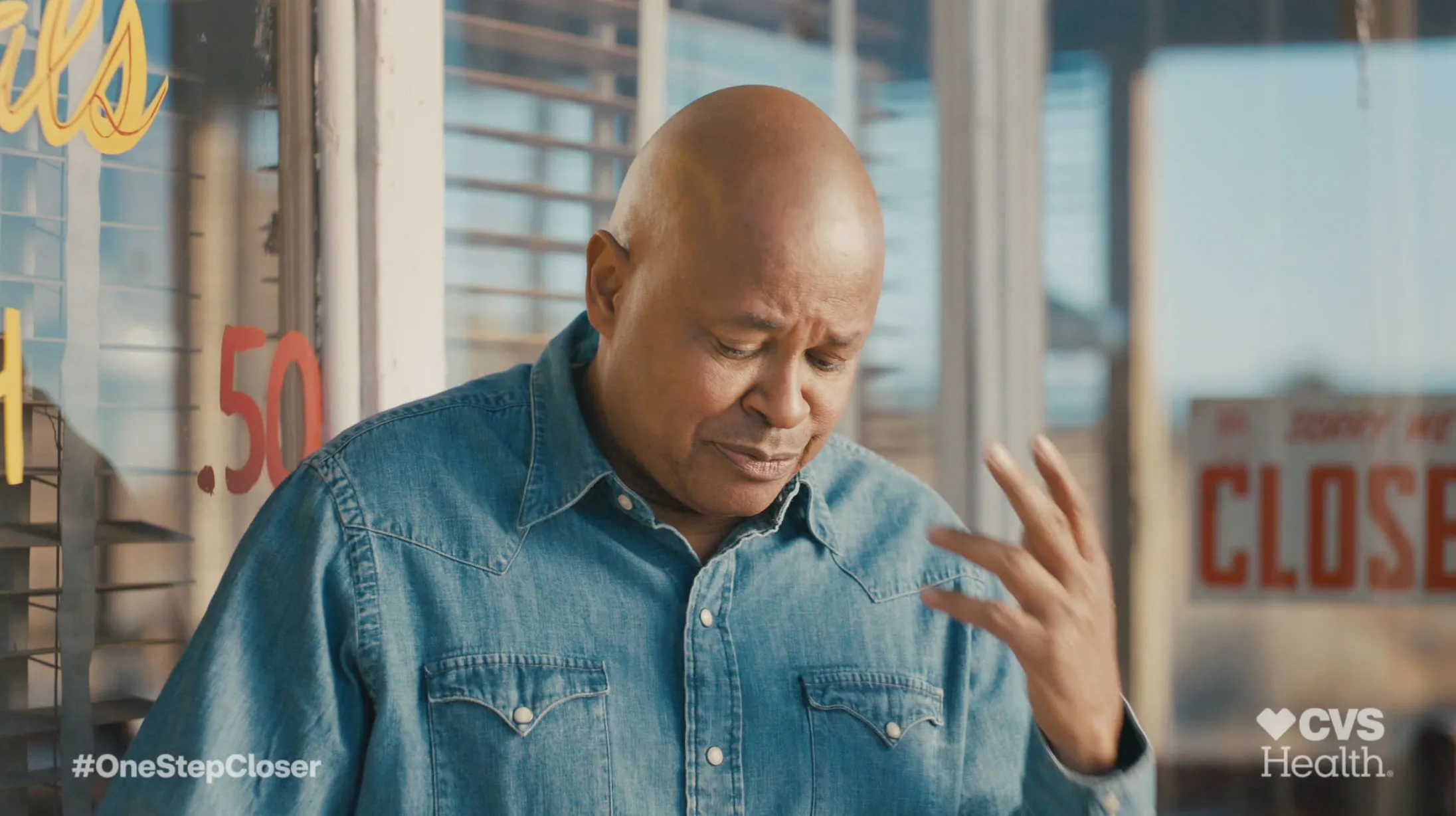
Chad's #OneStepCloser work for CVS Health is a useful example of what this can look like in practice. The campaign made vaccination feel like progress toward the everyday moments people wanted back, then carried that human promise through broadcast, digital, in-store and social work. The expressions were different, but the idea and the customer need stayed clear.
Use the same discipline for a small launch or a larger integrated effort. The checklist is there to protect the decisions that make a campaign feel coherent to the people it is meant to reach.
How Chad helps make campaign decisions usable
Chad helps teams connect brand strategy, campaign direction and the customer moments that give an idea its real meaning. His experience across brand strategy, integrated campaigns, retail experience and creative leadership is especially useful when a business needs a clearer story before a launch becomes a pile of disconnected deliverables.
That can mean shaping the campaign platform, clarifying the message and proof, identifying the most important customer moments or guiding the creative system as it expands. For a campaign that needs a stronger center before launch, start a conversation with Chad.
Frequently Asked Questions
Marketing campaign checklist questions, answered.
What should be on a marketing campaign checklist?
A useful checklist covers the decisions that shape the work before it becomes a list of assets: the business objective, audience tension, central message, proof, customer journey, channel roles, ownership, timing, launch readiness and measurement. The exact format can be simple, as long as the team can use it to make decisions.
When should a marketing campaign checklist be completed?
Complete the first version before production begins. Some details will change as the work develops, but the objective, audience, message and role of the first customer moments should be clear before the team starts making final assets or booking media.
How is a marketing campaign checklist different from a creative brief?
A creative brief defines the problem and the creative opportunity. A campaign checklist makes sure the decisions around that brief are ready for launch, including the customer journey, channel roles, ownership and the way the team will judge whether the work is helping.
How many channels should a campaign use?
Use the channels that have a clear job in the customer journey. A focused campaign with three useful moments is stronger than a large plan where every channel repeats the same message. Add channels when they contribute a new form of clarity, proof, reach or action.