A campaign brief example is most useful when it shows the decisions behind the document, not just the headings. A template can tell a team where to put the objective, audience and message. A worked example shows how those pieces create one clear direction, and how that direction holds when the campaign reaches a landing page, a film, a store, a sales conversation or a service moment.
The example below is fictional, but the decisions are built for the kind of launch that creates pressure in real organizations: a familiar company is introducing a service that customers do not yet fully understand. The aim is not to make a beautiful brief. It is to give the people doing the work enough clarity to make better choices when the asset list, feedback and timeline start expanding.
Start with the request behind the request
Imagine a neighborhood health brand preparing to introduce a new care service. The internal request arrives as, “We need a campaign for the launch.” It sounds straightforward, but it leaves nearly every important decision open. Is the job to explain a new service, make the brand feel more credible, bring existing customers into a new behavior or give frontline teams a simple way to talk about it? The answer changes the message, channel plan and proof.
A useful campaign creative brief starts by turning that loose request into a business decision. In this example, the team agrees that the campaign needs to help busy local families see the new service as a practical way to get more connected everyday care, rather than as another unfamiliar add-on from a healthcare company.
That sentence is intentionally specific. It names who needs to respond, what they need to understand and the shift the work needs to create. A campaign plan should connect objectives, audience, message, media and execution, instead of treating those as separate workstreams. The American Marketing Association's marketing strategy guidance makes the same practical distinction, tying activity back to a defined business goal rather than treating it as an isolated output.

The campaign brief example
Here is the one-page core of the brief. Each section is written in plain language so it can guide a real decision, not simply satisfy a planning template.
Business challenge
Families already know the brand for prescriptions and everyday health needs, but they do not understand that they can now access more connected care in one familiar local setting. The launch needs to make the new service easier to picture and easier to trust.
Audience situation
Our priority audience is a busy caregiver who manages care for themselves or someone close to them. They are not looking for another health task. They are trying to reduce the friction of keeping up with medications, appointments, questions and everyday wellness decisions. They will pay attention when the service feels useful in real life, not when it sounds like a corporate expansion.
Desired response
After encountering the campaign, people should think: “This could make it easier to manage care in the same place I already trust.” The immediate next step may be a visit, a conversation, an online search or a recommendation to someone else. The campaign does not need every person to act immediately, but it should make the offer more understandable and more relevant.
Central message
More of the care you need, connected in one familiar place.
The message is deliberately short because its job is to give every expression a recognizable center. The AMA's branding overview describes branding in terms of the identity and perception a business creates, which is why the message needs to be more than a list of service features.
Reasons to believe
The service combines a care team, practical support, pharmacy expertise and a familiar neighborhood location. The campaign should show those benefits through customer situations rather than list them as a catalogue of features. A caregiver needs to see how the pieces fit together before they care how many individual services are available.
Priority customer moments
At first exposure, create a human reason to care. On the service page, make the offer simple and tangible. In a retail or care setting, give people a clear signal that this is a different kind of help. For staff and customer-facing teams, give them language that carries the same promise without turning it into a script.
Constraints and decisions
The work must be accurate, warm and easy to understand. It cannot make clinical claims the service cannot support. The brand, service and care leads approve the promise and proof before production begins. The creative team can explore the expression, but it cannot drift from the central customer need.
What success looks like
In the first phase, success means the right people understand what the service is and take a useful next step. The team will look at qualified visits, local questions, service inquiries and feedback from customer-facing teams. Longer term, it will look for whether the new care offer becomes a recognizable reason to choose the brand.
Why this example gives a team better direction
Notice what the brief does not say. It does not begin with a 30-second film, social posts, an email series or an event. Those may all become useful expressions, but they are not the strategy. Starting with deliverables is how a campaign becomes a production schedule before the team has agreed on what it is trying to change.
The brief also does not describe the audience as a demographic alone. “Adults 35 to 54” might be useful for a media plan, but it does not explain the real-world context that makes the message matter. The caregiver situation gives the creative work something human to solve: care can be confusing and scattered, and a more connected experience might remove some of that pressure. The American Marketing Association's definition of a marketing campaign similarly centers a coordinated effort around a common theme, not a disconnected list of tactics.
Good briefing gives different specialists the same center of gravity. The media lead can decide where the audience is most receptive. The content team can decide which proof belongs on a service page. The creative team can decide how to make the promise memorable. The retail or service team can decide what customers should experience when they arrive. The work stays connected because each choice answers the same question.
Turn the message into a campaign idea
The central message is not yet a campaign. It is the promise the campaign needs to make visible. The next job is to find a simple idea that makes the promise easier to feel and remember.
For this example, the campaign idea might be: “Care that keeps life moving.” It reframes connected care as progress, not administration. A caregiver is not looking for another healthcare system to manage. They want to keep the people and routines they care about moving forward with less friction.
The idea can then change shape across customer moments. A film might show a parent navigating an ordinary day with a little more confidence. A service page can explain how the care team, pharmacy and wellness support connect. In-store work can make the care experience visible. A staff conversation can focus on the next practical question. This is the difference between repeating a tagline everywhere and building an integrated marketing campaign: every expression has a job, but the audience recognizes the same promise.
Build proof into the journey
Campaign briefs often fail at the point where the work meets reality. The message can be clear in an ad and still disappear when someone tries to act. That is why the brief needs to name the moments that follow interest, not just the media that creates it. Nielsen Norman Group's guidance on customer journey mapping makes the same point from the customer side: teams need to understand the steps and touchpoints that shape a person's experience, not only the moment where a campaign begins.
In the example, the campaign creates an expectation of connected, local care. The service page needs to answer the practical questions that follow: what support is available, who is it for, where can someone begin and what happens next? A retail setting needs to make the promise visible enough that a person knows where to go. A care team needs a plain explanation that feels helpful rather than promotional.
That sequence protects trust. A campaign becomes credible when the audience encounters proof at the moment they need it. A useful campaign messaging framework keeps the core promise, supporting reasons and channel-specific roles visible as the work expands. It helps teams know what must remain constant and where the expression should adapt.
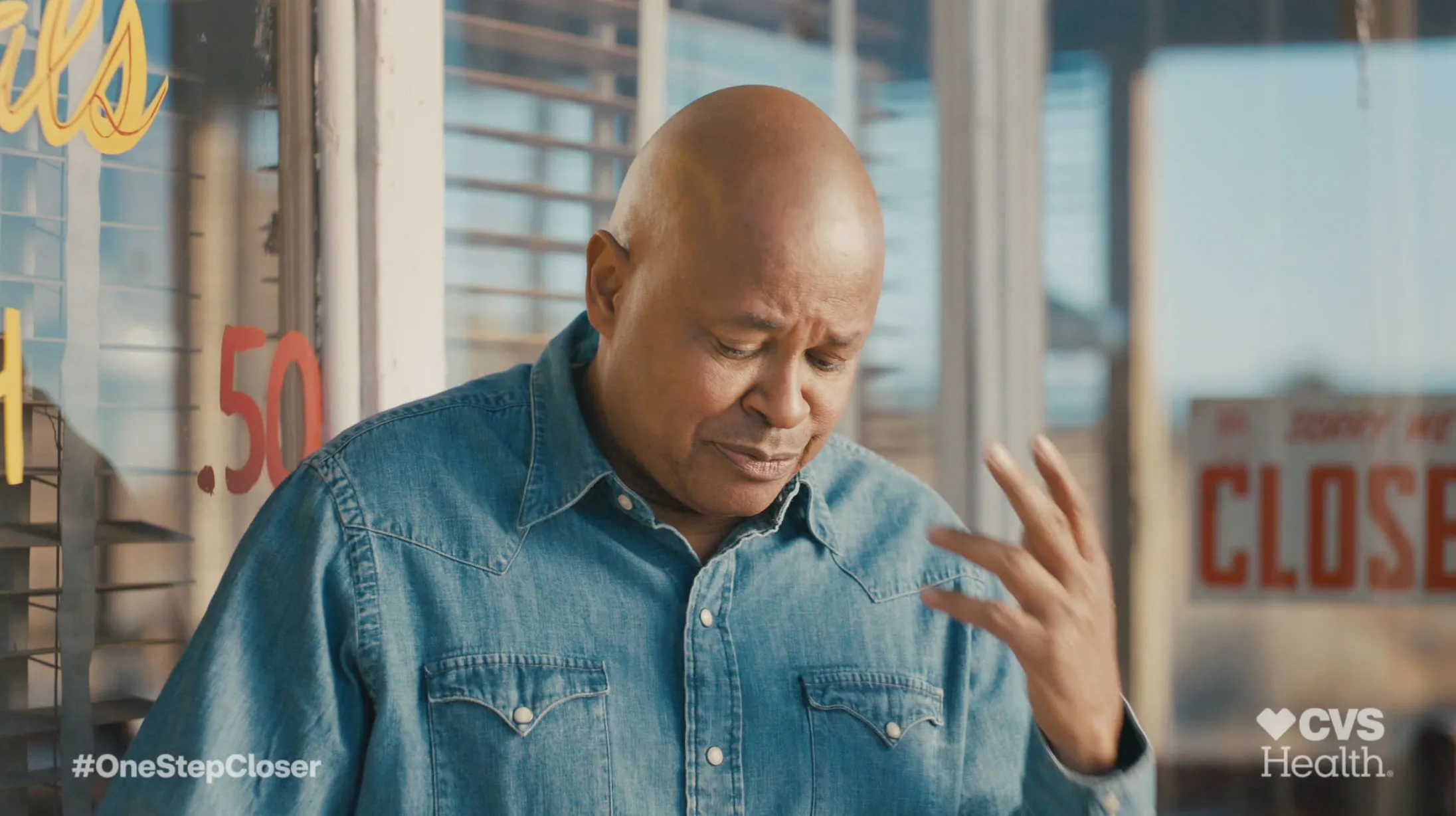
The same discipline shaped the #OneStepCloser work for CVS Health. The campaign connected vaccination with the everyday moments people wanted to return to, then used broadcast, digital, in-store and social work to make that human idea relevant in different contexts. The point was not that every asset looked identical. The point was that every expression carried people toward the same emotional and practical outcome.

Use the brief during review, not just at kickoff
The brief earns its place when the work gets complicated. During a review, teams can ask whether a concept makes the audience situation feel understood, makes the promise clearer or adds useful proof. If an idea is stylish but does not help the customer understand the offer, it is probably not doing the campaign’s real job. If a request adds another channel but gives that channel no distinct role, it is probably activity rather than integration.
This approach makes feedback more productive. Instead of collecting a long list of individual preferences, decision makers can respond to the choices that matter: is the audience right, is the message strong enough, is the proof credible, and does the customer journey make the next step easier? The conversation becomes about the campaign’s purpose, not who has the loudest opinion in the room.
Before launch, the team can use the same brief as a final check. The marketing campaign checklist is useful here: confirm that the message is consistent, the proof is ready, the calls to action work, customer-facing teams know what is changing and the first learning review has a clear owner. That is how a brief becomes a working tool rather than a document that disappears after the kickoff meeting.
How Chad helps turn the brief into work people can act on
Chad helps teams define the campaign decision before the work turns into a long asset list, then carries that direction through the places customers actually encounter the brand. His experience across brand strategy, integrated campaigns, retail experience and creative direction is especially valuable when a business needs one story to work across different audiences, partners and customer moments.
That can mean clarifying the business and audience challenge, shaping the campaign platform, identifying the proof that will make the message credible or guiding the creative system as the work moves from idea to launch. For a campaign, service launch or evolving offer that needs a stronger center, start a conversation with Chad.
Frequently Asked Questions
Campaign brief example questions, answered.
What should a campaign brief include?
A useful campaign brief includes the business problem, audience situation, desired response, central message, reasons to believe it, priority customer moments, constraints, decision owners and a plan for learning. It should make the important choices clear enough that a team can turn them into work without having to rediscover the strategy in every review.
How long should a campaign brief be?
The summary can often fit on one page, with supporting detail behind it when the work is more complex. The useful test is not page count. It is whether a new team member can understand the campaign's job, make a sound decision and explain why that decision supports the work.
What is the difference between a campaign brief and a creative brief?
A campaign brief defines the business job and the connected customer journey around it. A creative brief focuses the creative opportunity the work needs to solve. They can be combined for a smaller project, but keeping the distinction clear helps larger teams connect the idea to media, service, sales and launch decisions as well as creative execution.
Who should approve a campaign brief?
The people who own the business objective, customer experience, message and final creative decision should agree on the brief before production begins. Not every stakeholder needs to rewrite it, but the few people who can materially change the work later should align on the core choices early.