
A campaign objective is the decision that keeps a campaign from becoming a pile of deliverables. It names the change a business needs to create, who needs to change, and how the team will recognize progress. Once that job is clear, the message, creative work, channels and measures have something useful to serve.
That is different from writing “increase awareness” at the top of a brief and calling it done. Awareness of what, for whom, and in service of which business decision? A useful objective gives a team enough focus to make tradeoffs. It helps them decide whether an idea is relevant, whether a channel has a real role, and whether the first results call for refinement or patience.
The examples below are not plug-and-play targets. They are working patterns. Replace the audience, baseline and timeframe with evidence from the business, then use the same logic to make the campaign more intentional.
What a campaign objective needs to do
A campaign can contribute to a business outcome, but it cannot do everything on its own. A retailer may want more visits. A healthcare service may need people to understand a new offering. A brand may need to become more meaningful in a crowded category. The objective translates that larger need into a change the campaign can realistically influence.
The U.K. Department of Health and Social Care’s campaign-planning guidance starts in the right place: identify the issue, understand the audience and clarify the action the campaign should encourage. It also recommends putting objectives in priority order and building measurement into the plan. That sequence matters. A metric does not create direction by itself.
A strong objective usually answers five questions:
- What business situation needs to improve? Name the issue, not the asset list.
- Whose understanding, confidence or behavior needs to change? Describe a real audience in a real situation.
- What change matters most? Choose one dominant job for the campaign.
- What evidence will show progress? Use measures connected to that job, not whatever is easiest to count.
- By when? Give the team a review point and enough time for the intended change to become visible.
Start with the business problem, not the metric
Metrics are evidence. They are not the strategy. “Get 100,000 impressions” describes distribution, not the reason a customer should care or the change the business needs. It can be useful as a delivery measure, but it cannot tell a team whether the campaign is making an unfamiliar service easier to understand, strengthening a preference, or motivating the right next step.
Try writing the business situation first. For example: a pharmacy has expanded its care services, but nearby customers still think of it only as a place to pick up prescriptions. That is a useful problem because it points toward an audience, a perception to shift and an experience the business can support. It is far more helpful than “make a video about services.”
Then decide what the campaign should change. The objective might be to increase awareness of the expanded care offer among local customers who currently use the pharmacy only for prescriptions, measured through a pre- and post-campaign survey over a defined period. The creative team now has a real job: make a broader role understandable and credible, not simply create a visually busy ad.
Campaign goals, objectives and measures are different
Teams often use these words interchangeably, which is how briefs become fuzzy. A goal is the broader direction. An objective is the focused campaign change. A measure is the evidence used to judge it. Keeping the three separate makes discussions faster and more honest.
For example, a business goal might be to make a new membership offer more valuable to current customers. The campaign objective could be to increase understanding of the membership’s practical benefits among active shoppers during the first eight weeks of launch. The measures might include message recall, offer-page completion, membership questions at checkout and enrollments. Each measure has a job, but none replaces the objective.
The SMART framework for marketing objectives is useful when it turns a broad ambition into something specific, measurable, achievable, relevant and time-bound. Use it as a pressure test, not a writing exercise. If the team cannot explain why the target is plausible, relevant and worth pursuing, a sentence with a number in it will not solve the problem.
A simple formula for writing the objective
Use this sentence as a starting point: Help [specific audience] [make a defined change] by [timeframe], measured by [evidence], because [business reason].
It is deliberately plain. Plain language reveals fuzzy thinking. If the audience is “everyone,” the change is “engage,” and the evidence is “more reach,” the team has more work to do. Narrowing the sentence does not make the campaign small. It gives the central idea enough definition to travel across the customer moments that matter.
Before finalizing it, ask three questions. Is this a change the campaign can influence? Can the product or service experience support the promise? Would a person outside the marketing team understand what success looks like? A written brief still needs a conversation, which is why the Institute of Practitioners in Advertising’s briefing guidance treats the brief and the briefing meeting as complementary, not interchangeable.
Five campaign objectives examples
1. Make an unfamiliar offer easier to understand
Example objective: Help existing pharmacy customers understand the new care-service offer during the spring launch period, measured by an increase in correct service understanding and qualified appointment inquiries.
This is a communication objective. The business may ultimately want appointments, but asking a campaign to deliver an immediate appointment number before people understand the offer can lead to impatient, confusing work. Start with the barrier. If the audience does not know the service exists, does not understand who it is for, or cannot see why it matters, the campaign should make that next step clearer.
The message needs practical proof: what the service is, who provides it, how it fits into a customer’s day and what happens next. The customer journey needs the same clarity. An ad that creates curiosity but leads to an unclear service page has not done its full job. For a broader sequence of message, channel and experience decisions, use the advertising campaign guide.
2. Build preference before a purchase moment
Example objective: Increase consideration of a retail brand among lapsed shoppers ahead of the holiday period, measured by brand consideration and qualified return visits from that audience.
Consideration is useful when customers already know the category but have little reason to choose one option over another. The campaign’s job is not to recite every benefit. It is to create a more relevant association and give it credible support. For a retail brand, that might be a sharper point of view about convenience, value, confidence or the experience customers can expect.
This objective changes the creative question. Instead of asking, “What promotion should we put in the ad?” the team asks, “What should a lapsed shopper believe about us that would make a return feel worthwhile?” The offer can still play a role, but it should reinforce the central thought rather than replace it.
3. Encourage a specific next step when the offer is ready
Example objective: Increase completed consultations from qualified small-business owners during the eight-week launch period, measured by completed consultation requests that meet the agreed fit criteria.
This is an action objective, and it works best when the audience already has enough context to act. The experience after the click or call matters as much as the campaign itself. The request should be clear, the landing page should continue the same promise, and the follow-up should match the level of commitment a person has made.
Do not confuse raw lead volume with useful demand. If the business needs a particular kind of customer, define what qualified means before launch. A small number of conversations that fit the service can be more valuable than a large count of form submissions that no one can act on.
4. Help current customers use a valuable benefit
Example objective: Increase activation of a membership benefit among active members in the first quarter, measured by first-time use of the benefit and customer understanding of how it works.
Customer campaigns deserve a different objective from acquisition campaigns. People who already have a relationship with the brand do not need an introductory message. They need a clear reason to notice, understand and use the part of the experience that creates value for them. This may involve email, app, in-store and service moments, each with a different role.
The strongest work removes friction. It shows the benefit in context, answers the practical question a customer will have at the moment of use and makes the next step easy. If activation is low because the experience is genuinely difficult, changing the headline will not fix it. The objective should expose that operational truth rather than hide it.
5. Reframe a familiar behavior around a more human benefit
Example objective: Increase willingness among adults considering a seasonal vaccination to take action early, measured by message understanding, stated intent and completed vaccinations during the campaign window.
Some campaigns need to make a practical action feel more personally meaningful. The business outcome may be clear, but people may delay because the action feels impersonal, inconvenient or low priority. The campaign’s job is to connect the action with a benefit that belongs in the audience’s real life, while keeping the facts accurate and the next step straightforward.
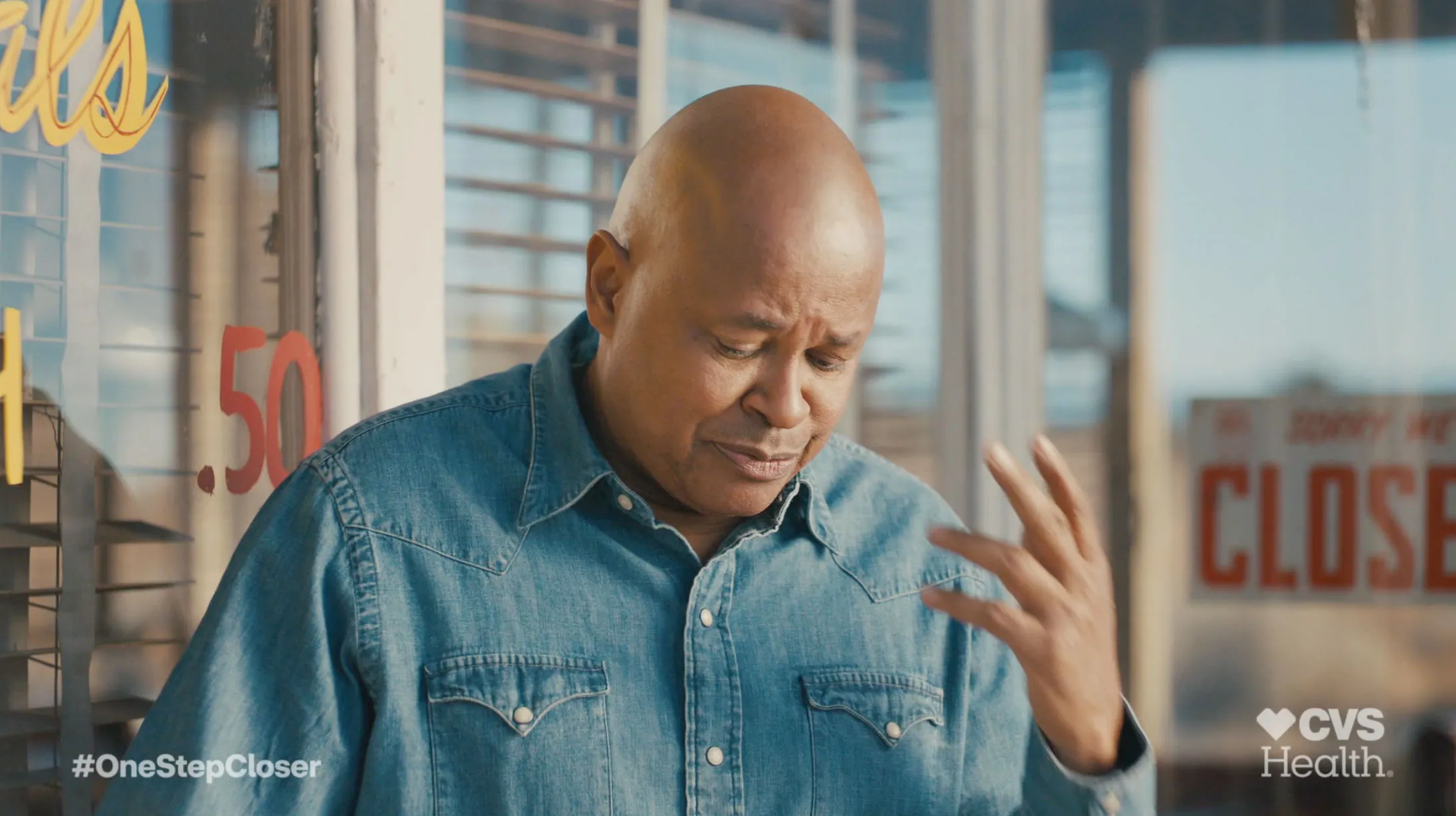
Chad’s #OneStepCloser work for CVS Health is a useful example of that principle. The campaign connected vaccination with the everyday moments people hoped to return to, then carried that thought across broadcast, digital, retail and social moments. The objective was not “make more ads.” It gave the work a human reason to matter.
What weak objectives look like
Weak objectives often sound busy, but they do not help anyone make a decision. “Go viral,” “increase engagement,” “reach everyone” and “drive sales” can all be ambitions, yet they leave the hard questions unanswered. They do not define the audience, the behavior or belief that matters, the barrier in the way, or the evidence that would show progress.
Another common problem is asking one campaign to do several contradictory things. A launch may need awareness, education, leads, retention and a social following. Those are not all primary objectives. Choose the change that unlocks the rest, then treat the others as supporting measures or later phases. The campaign plan template can help make that order visible before production begins.
Finally, avoid targets chosen only because they sound ambitious. A useful target starts with a baseline, a realistic timeframe and a measurement method the team can actually use. When those are missing, define the observation plan first. Better evidence will lead to a better target than a dramatic number pulled from thin air.
Put the objective to work in the brief
Once the objective is written, use it throughout the brief. It should influence the audience definition, central message, reasons to believe, channel roles, call to action and review plan. If those pieces point in different directions, the objective is either unclear or not being used as a decision tool.
At creative review, ask whether the idea helps the intended audience make the intended change. At channel planning, ask what each customer moment needs to do in service of that change. At measurement, ask whether the evidence helps the team decide what to keep, refine or stop. The objective stays valuable when it does more than open a presentation.
For a working structure that carries those decisions from brief through launch, see the campaign brief example and the pre-launch campaign checklist. They make it easier to turn a good intention into a campaign a team can actually deliver.
How Chad helps clarify the job before the work starts
Chad helps teams connect the business decision, customer situation and creative direction before they invest heavily in production. His work across brand strategy, integrated campaigns and customer experience is built around finding the idea and structure that make every later touchpoint more useful.
That can mean defining the campaign’s role, shaping the message and proof, or helping a team decide how the experience needs to support the promise. If a launch or campaign needs a clearer job before the work spreads across channels, start a conversation with Chad.
Frequently Asked Questions
Campaign objectives, answered.
What is a campaign objective?
A campaign objective states the specific change a campaign is meant to create for a defined audience within a clear period. It connects the business need to the message, customer experience and measures the team will use, so the work has a useful job beyond simply generating activity.
How many objectives should a campaign have?
Most campaigns need one primary objective. Supporting measures can show whether the work is moving in the right direction, but several equally important objectives make it difficult to choose a message, prioritize channels or decide what to change when results arrive.
What is the difference between a campaign goal and an objective?
A goal is the broader business direction, such as making a new service more successful. An objective is the focused change the campaign can influence, such as increasing qualified inquiries from a particular audience during a launch period. The objective gives the team a practical decision rule.
Should campaign objectives include a number?
Usually, yes, when reliable baseline data exists. A number makes progress easier to judge, but an invented target is not useful. If the team does not have a trustworthy baseline, define the audience, intended change, measurement method and review date first, then set a target once there is evidence to support it.