

The best marketing campaign ideas do not begin with a channel, a trend or a desperate request to “make something shareable.” They begin with a business situation that needs to change, then give people a useful reason to see that situation differently.
That is a higher bar than collecting tactics. A giveaway, a creator partnership, a launch film or an email sequence can all be useful, but none is a campaign idea on its own. The idea is the thread that connects the work. It tells a customer why this matters now and gives a team enough direction to make different moments feel like they belong together.
When teams skip that step, the result is familiar: a channel plan full of activity, a deck full of references and no clear answer to what the audience is meant to notice, feel or do. The six approaches below are starting points for finding a direction that is specific enough to guide the work and flexible enough to travel.
Choose the job before choosing the idea
Before brainstorming, write down the change the business needs. It may need an unfamiliar offer to make sense, a familiar service to feel more valuable, a new audience to reconsider the category or existing customers to take a useful next step. One sentence is enough if it is clear. “We need awareness” is too loose. “We need people who know us for convenience to see us as a helpful partner in everyday care” gives a team something to work with.
This is why a campaign objective matters. It keeps a good-looking direction from becoming decoration. Once the job is clear, each idea can be tested against the same question: does this make the intended change easier for a real person to understand or act on?
1. Make the problem visible
Some businesses solve a problem customers feel but cannot easily name. A service may remove friction behind the scenes. A product may make an everyday task easier in a way people only notice when it fails. A campaign can give that hidden pressure a clear, recognisable form.
The important move is not to dramatise pain for its own sake. It is to show the customer’s real moment of effort, uncertainty or compromise, then make the brand’s role legible. A retail service can show the time pressure behind a routine errand. A healthcare experience can show the difference between feeling passed around and feeling supported. A financial tool can show the relief of making one informed choice instead of avoiding the decision altogether.
Use this direction when the audience already has the problem but has not connected it to your offer. The work should leave people thinking, “Yes, that is exactly the moment,” before it asks them to do anything else.

2. Turn proof into a story
Many marketing messages promise more than customers can trust. When the brand has a real distinction, an unusual product detail, a service behaviour or a hard-earned point of view, that proof can carry the idea. Instead of beginning with a broad claim, begin with what the brand can genuinely show.
Proof does not have to be a specification sheet. It can be a visible behaviour, a customer outcome or a useful demonstration. The creative task is to make the proof understandable in a human context. A vaccination message can focus on the people and plans that become easier to protect. A delivery service can make time and independence tangible. A product with a better process can show why that process changes the experience, not merely announce that it exists.
A campaign messaging framework helps keep the roles straight: the idea earns attention, the proof earns belief and the invitation tells people what to do next. If a campaign can only make the promise after several paragraphs of explanation, it is probably still a strategy statement, not a campaign direction.

3. Make a small win feel meaningful
Not every campaign needs a dramatic transformation. In many categories, the strongest promise is a practical piece of progress: one easier appointment, one safer choice, one less errand, one clearer route through a confusing task. The idea works when it treats that small gain as part of a life people already care about.
This approach is especially useful when the product or service is valuable because it reduces effort. Rather than inflating the claim, show the ordinary benefit that becomes possible. A new routine can leave room for family time. A simple plan can make a first step feel manageable. A useful product detail can turn uncertainty into confidence.
Chad’s #OneStepCloser work shows how a practical healthcare action can be connected to the everyday moments people wanted back. The lesson is not to copy the execution. It is to find the meaningful result behind the transaction, then make that result specific enough to feel true.
4. Give people a role
Customers are more engaged when they are more than a target demographic waiting for a message. A campaign can give them a role: the person protecting the household, the organiser who makes things happen, the curious beginner, the neighbour who shares a useful discovery or the professional making a better decision for a team.
The role must come from observation, not flattery. “You are amazing” is not an idea. “You are the person who makes the next step possible for everyone else” can be, if the brand genuinely supports that role. It gives the work a point of view and gives people a reason to recognise themselves in it.
Participation can follow naturally. Customers may share their own version of the story, choose a path, nominate someone, try a challenge or contribute a useful detail. But the participation should serve the central thought. A mechanic that only exists to collect content is visible from a mile away.
5. Change the frame around a familiar category
Familiar categories are often full of interchangeable language. The opportunity is not always a completely new message. Sometimes it is a more useful way to see an ordinary product, place or behaviour. The campaign changes the frame, then backs that perspective with a real experience.
A pharmacy can become a source of everyday confidence rather than a place to pick something up. A circular can become a more personal way to shop rather than another pile of offers. A connected-safety product can stand for independence and peace of mind rather than a list of technical features. In each case, the new frame gives people a better reason to pay attention without pretending the underlying product has changed.
Pressure-test the frame with a creative brief. Can the business make this promise in the real customer experience? Is there evidence for it? Would the perspective still feel distinct if a competitor replaced the logo? If the answer is no, sharpen the point of view before moving into production.
6. Build a system, not a stunt
A great first execution can attract attention. A campaign needs more. It needs a core thought that can flex from a first impression to a detailed explanation, a product moment, a sales conversation and a reminder months later. That is what makes the work cumulative rather than disposable.
Ask a simple question: could this idea show up in four different places without saying exactly the same thing four times? If it can, there is likely a system there. One expression can set the emotional tone. Another can demonstrate the proof. Another can help people compare or act. The audience recognises the same point of view, while each channel does a useful job.
That is the difference between an isolated stunt and a durable campaign brand. The system does not have to be complicated. It needs a clear message, a recognisable way of showing up and enough discipline to keep the idea from drifting when more people begin making the work.

A fast test before the idea goes forward
Before a team invests in a direction, test it with five practical questions:
- Does it solve a real business problem? A campaign needs a job beyond filling a content calendar.
- Does it recognise a real audience tension? People should be able to see their own experience in the work.
- Is the promise supported by proof? The experience, product or service has to make the claim believable.
- Can it travel? The thought should work across more than one customer moment without becoming vague.
- Can the team explain it simply? If the idea needs a long defence, it is not ready to guide a campaign.
Use the answers to choose one direction, then turn it into a practical campaign plan. A good plan assigns channel roles, identifies the proof each moment needs and makes it easier to decide what not to make. That is where an idea starts earning its value.
How Chad helps make an idea useful
Chad works where business goals, customer context and creative direction need to meet. His work spans healthcare campaigns, retail experiences, product launches and brand systems, with a focus on ideas that can stay coherent from the first strategic decision through the moments customers actually see and use.
The goal is not a bigger pile of marketing. It is a clearer signal for the business and a more meaningful reason for people to pay attention. Explore selected work, see Chad’s areas of expertise or start a conversation about the challenge your next campaign needs to solve.
Frequently Asked Questions
Marketing campaign ideas, answered.
How do I choose a marketing campaign idea?
Start with the business change that matters most, then name the audience pressure behind it and the proof the brand can honestly offer. An idea is worth developing when it gives the audience a reason to care and gives the team a clear way to act across more than one customer moment.
What is the difference between a campaign idea and a campaign tactic?
A campaign idea is the organising thought that makes the work coherent. A tactic is one way of expressing or distributing it, such as a film, event, email series, product demonstration or social post. Choose the idea first so tactics have a shared job.
How many ideas should a marketing campaign have?
One primary idea is usually enough. A campaign can have many executions, offers and channel roles, but competing central ideas make it harder for people to understand what the brand is asking them to notice, believe or do.
Can a small team run a strong marketing campaign?
Yes. A small team does not need more channels to make an idea work. It needs a focused audience, a specific promise, one or two moments where the proof is visible and a realistic way to repeat the same thought without stretching the team thin.

Brand Campaigns
Creative Campaign Ideas: 7 Approaches That Travel
Use these creative campaign ideas to turn a business challenge into work people can recognise, understand and act on across real customer moments.
Read the article →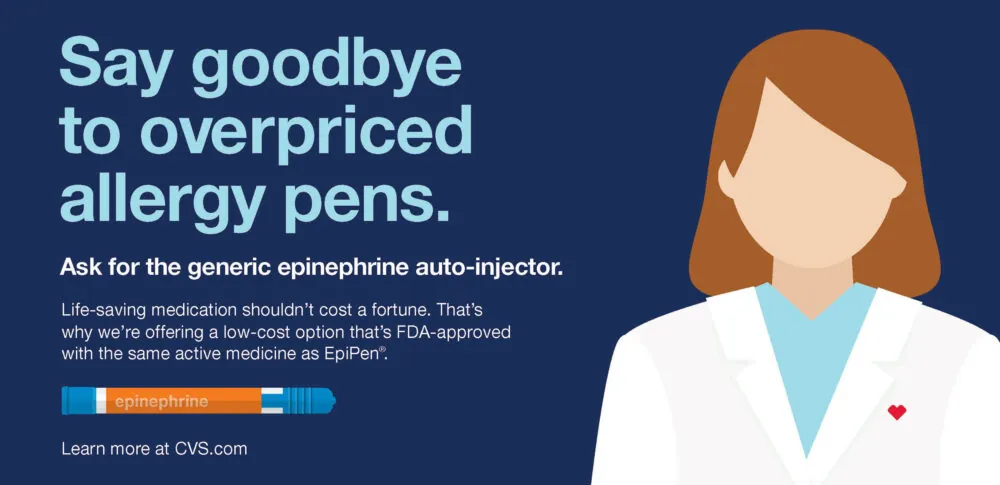
Brand Campaigns
Campaign Strategy Examples: 5 Approaches That Work
Use these campaign strategy examples to choose the right job for a launch, changing offer or customer experience before choosing tactics.
Read the article →
Brand Campaigns
Campaign Messaging Framework: A Guide to Clearer Work
Use a campaign messaging framework to define one clear message, supporting proof and channel roles that keep campaign work connected.
Read the article →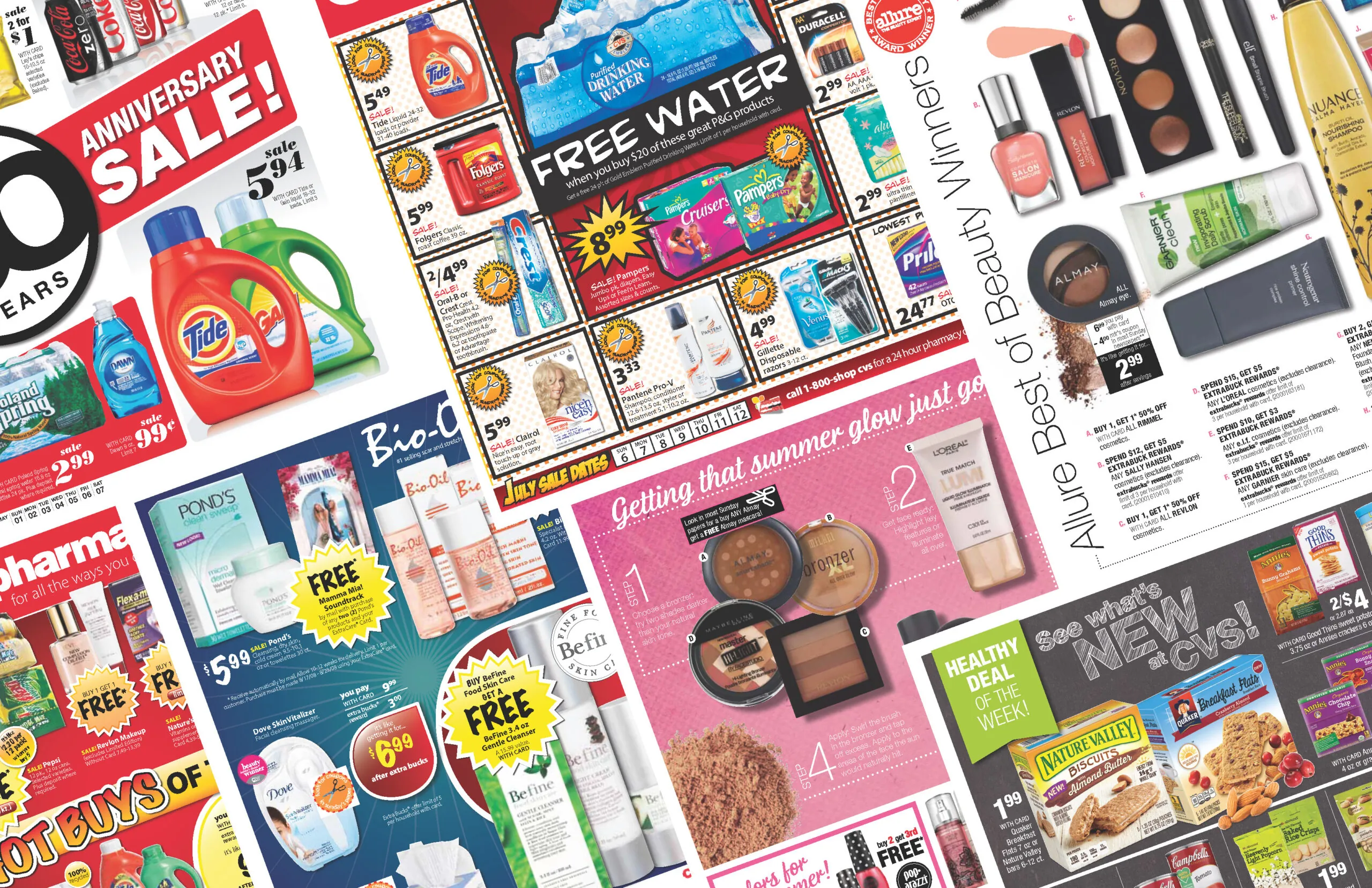
Brand Campaigns
Campaign Plan Template: 8 Decisions Before You Make Anything
Use this practical campaign plan template to align the objective, audience, message, channel roles, owners and measures before production starts.
Read the article →