

Creative campaign strategy is the work of deciding what the campaign must change before anyone decides what the campaign should look like.
That distinction matters. A team can have a full production plan, a folder of visual references and a strong feeling that it needs to “do something bold,” yet still be unable to explain the job the work is meant to do. When that happens, creative becomes a negotiation between tastes. The finished pieces may be polished, but they rarely add up to a signal people can recognise.
A useful creative campaign strategy gives the work a point of view. It names the business situation, the audience pressure, the response worth earning and the proof that can make the response believable. It does not replace creative thinking. It gives creative thinking something real to solve.
1. Name the business change, not the asset list
The starting point is not “we need a launch film” or “we need a social campaign.” Those are output requests. A strategy begins with the business change that makes the output necessary. Perhaps an unfamiliar service needs to feel easier to understand. Perhaps customers see the category as interchangeable. Perhaps a new offer is being mistaken for something it is not. Perhaps a brand needs people to remember a promise that has been lost in years of tactical messaging.
Write the problem as a change in the market, not a change in the creative department. “Help people see our membership as ongoing value, not another subscription” is useful. “Increase awareness” is not, because it does not say what the audience should notice or why. The best objective is specific enough to rule things out. It tells the team which good-looking ideas are distractions.
This is also where a campaign strategy separates itself from a general brand strategy. Brand strategy may establish the meaning a business wants to own over time. A campaign makes one focused move: it chooses the aspect of that meaning most useful for this particular moment. The goal is not to make every message carry the entire brand story. It is to make one part of the story land clearly. As Asana’s creative-strategy overview usefully distinguishes, the campaign direction is where business goals, audience and execution meet.
2. Find the audience tension behind the decision
People rarely wake up wanting a campaign. They are trying to make a decision, solve a problem, protect time, avoid risk, feel more capable or choose something that fits the person they want to be. The tension is the gap between that lived reality and the way the category usually speaks to them.
For example, a personalised retail offer may be technically useful, but the audience does not experience it as a feature. They experience it as a small chance to make everyday shopping feel less wasteful or less generic. In healthcare, a practical appointment or product can be tied to a much more human concern: staying available for the people and moments that matter. Those observations do not decorate a strategy. They give the message a reason to exist.

Good tensions are specific enough to recognise and broad enough to travel. They avoid the false drama of trying to make every purchase life-changing. They also avoid the empty language of demographics. “Parents aged 35 to 54” is a useful media description. “People who are tired of feeling as though a supposedly personal service treats them like a number” is the beginning of a creative decision.
Pressure-test the tension with one question: would this still be true if the brand name disappeared? If it is only a description of the company’s desired positioning, it is not yet an audience insight. If it describes a real friction in the customer’s life, the team can use it to judge whether an idea feels observed rather than imposed.
3. Choose one message job
Most campaigns become muddy because they ask the first impression to do too much. The audience is expected to understand the offer, remember the brand, believe the proof, admire the product, feel an emotion and act immediately. Any one of those may be valuable, but they do not all deserve equal billing.
A creative campaign strategy chooses the primary message job. It might make the category feel newly relevant, turn a complex proposition into an understandable story, create a more distinctive memory, remove doubt before an action, or give a familiar service a fresh emotional frame. Once the job is clear, the work can use supporting messages without becoming a brochure.
There is a useful discipline here: finish the sentence, “When people encounter this campaign, the most important thing they should take away is…” If the team cannot agree on the ending, it is too early to debate headlines or art direction. A sharper campaign messaging framework can then organise the dominant thought, supporting proof and channel-specific detail.
This choice does not make the work smaller. It makes it more memorable. A campaign with one clear job can show up in a film, a retail moment, a sales conversation, a landing page and a small utility without asking each of those moments to begin the explanation from scratch.
4. Make proof do creative work
A strong creative strategy does not make promises and leave the evidence for the fine print. It asks what the business can honestly demonstrate, then turns that proof into part of the story. That might be a product behaviour, a service experience, an expert point of view, a distinctive process or a customer benefit people can actually see. System1’s advertising-strategy guidance makes the same practical case: objectives, message, audience and a realistic plan need to agree before the execution can carry the idea.
The difference is easy to spot. “We care about your health” is a broad claim. Showing a more connected care experience, with practical help appearing where people already make decisions, gives the claim a shape. The proof does not need to be a technical feature sheet. It needs to help the audience believe that the message is more than an attractive line.

Choose proof that can carry more than one execution. A useful piece of evidence may become a demonstration in film, a moment in-store, a comparison on a webpage or a story a salesperson can tell. If the proof only works as a footnote, it will disappear as soon as the production gets tight.
This is especially important in categories where trust is fragile or the decision feels high stakes. More noise will not solve a credibility problem. Clear proof, used with restraint, gives the creative idea something firm to stand on.
5. Build for customer moments, not copy-and-paste channels
A campaign becomes integrated when each customer moment has a role, not when every channel receives the same headline. Someone meeting the work on a large screen, searching for an answer, standing in a store or receiving a follow-up message has a different amount of time, attention and context. The central idea should remain recognisable, but the expression should earn its place in that moment.
Start with the journey. Where does the audience first become open to the message? Where do they need evidence? Where is a small prompt more useful than a big statement? Where does an employee, partner or product experience need to make the promise real? These decisions turn a campaign from an asset list into a coordinated system.
The site’s integrated marketing campaign guide explores how one central thought can flex across formats. The practical test is simple: remove the logo from each execution. Does the family resemblance remain? If every piece needs the same layout to feel connected, the system may be too brittle. If the idea survives changes in pace, format and information depth, it is doing useful work.

Build a small set of rules rather than a rigid set of templates. Decide what must stay consistent, such as the promise, a signature cue, a point of view or a visual behaviour. Then be explicit about what can change. That gives the team enough freedom to respect the context without losing the thread.
Turn the strategy into a working brief
Once these five decisions are in place, reduce them to a page that a team can actually use. Start with the business change. Add the audience tension, the one message job, the proof, the roles of the key customer moments and the signals that will help the team learn. The document is not finished because it is beautifully written. It is finished when a creative partner can make a better decision after reading it.
That is why a strategy should contain choices, not a catalogue of background information. Leave out anything that does not change the work. Be clear about unresolved questions. Give the team a way to challenge an idea without reverting to personal preference: does it help the audience see the intended change, does it use the right proof, and can it travel?
Before the work moves into production, run a short review with the people who will have to defend it later. Ask each person to describe the campaign’s job in their own words. Ask what a customer should understand after a first encounter, and what evidence makes that conclusion fair. If the answers drift, do not solve the problem with another round of execution. Return to the strategy and decide which choice is still missing.
A good strategy also makes room for learning without treating every early signal as a verdict. Decide what should happen quickly, such as a clearer message, stronger attention or a more useful conversation. Decide what needs time, such as familiarity, preference or a change in the way customers describe the brand. That distinction stops teams from abandoning a coherent idea just because the first week did not answer every business question.
For a more detailed structure, use this campaign brief example alongside the strategy. The strategy names the direction. The brief turns it into a shared plan for the people who will make, approve and deliver the work.
How Chad helps turn direction into campaign work
Chad works where brand strategy, customer understanding and creative expression need to meet. His selected work spans healthcare, retail and integrated campaigns, with an emphasis on ideas that hold together across the moments where customers actually encounter a brand.
That can mean helping a leadership team choose the campaign’s real job, shaping the strategic brief, developing the creative system or directing the work across a launch. The point is not to generate more material. It is to give a team a clearer direction and customers a more coherent reason to care. For a campaign problem worth working through, start a conversation with Chad.
Frequently Asked Questions
Creative campaign strategy questions, answered.
What is a creative campaign strategy?
A creative campaign strategy is the set of decisions that turns a business objective into a clear direction for creative work. It connects the audience, the desired change, the message, the proof and the role of each customer moment, so the campaign feels like one deliberate effort rather than a collection of assets.
How is creative campaign strategy different from brand strategy?
Brand strategy establishes the longer-term meaning a company wants to own. Creative campaign strategy decides how to bring one relevant part of that meaning to life for a particular business moment, audience and objective. Brand strategy gives the guardrails; campaign strategy makes a focused move within them.
What should a creative strategy include?
Include the business problem, the people whose view or behaviour needs to change, the tension those people feel, the central message, the proof that makes the message believable, the role of each channel and the signals that will show whether the work is helping. A strategy does not need to be long, but it should make the next decision easier.
When should a team write a creative campaign strategy?
Write it before choosing a channel list, commissioning production or approving concepts. A short, clear strategy early in the process is far cheaper than trying to reconcile different opinions after work has already been made.
Keep reading
Related notes

Brand Campaigns
Creative Campaign Ideas: 7 Approaches That Travel
Use these creative campaign ideas to turn a business challenge into work people can recognise, understand and act on across real customer moments.
Read the article →
Brand Campaigns
Campaign Strategy Examples: 5 Approaches That Work
Five campaign strategy examples for choosing the right approach to an unfamiliar offer, crowded category, launch or changing customer experience.
Read the article →
Brand Campaigns
Campaign Messaging Framework: A Guide to Clearer Work
Use a campaign messaging framework to define one clear message, supporting proof and channel roles that keep campaign work connected.
Read the article →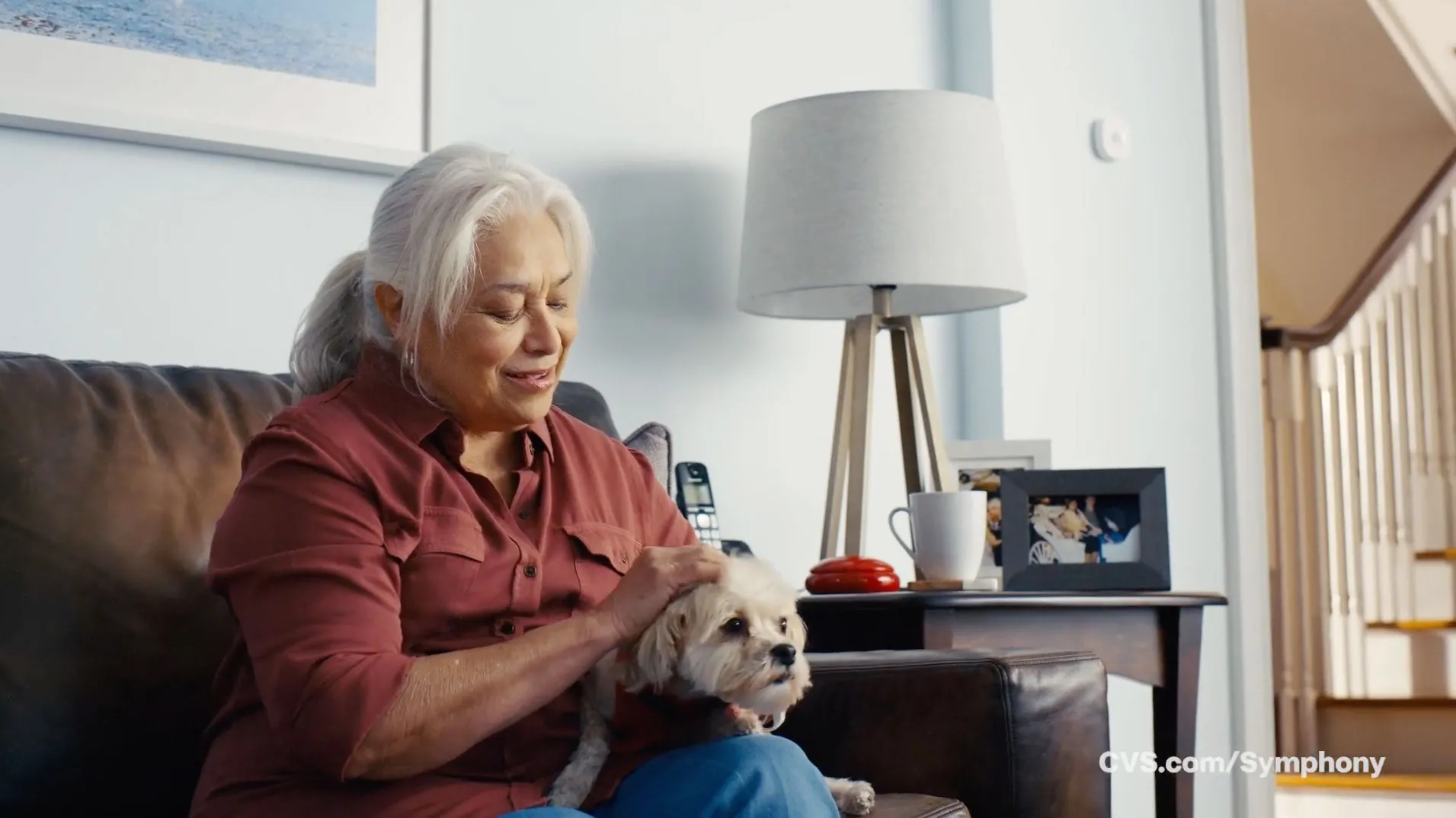
Brand Campaigns
Campaign Brief Example: A Practical Working Template
See how a practical campaign brief turns a broad launch request into clear choices about the audience, message, proof, customer moments and measurement.
Read the article →